When clinicians and new parents ask about **botox when nursing**, they bring understandable concerns about infant safety, systemic exposure and professional responsibility. ASAHRS recognizes this clinical question as both a patient‑care issue and an educational imperative, and ASAHRS EDU's Program Curriculum directly addresses counseling, risk assessment and documentation for cosmetic neuromodulators. Speak with an advisor if you need cohort‑specific guidance or to discuss clinical scenarios.
For eligible healthcare professionals seeking a rigorous, safety‑first framework for cosmetic practice, ASAHRS EDU is positioned as the definitive pathway for understanding and managing peri‑partum and lactation questions like **botox when nursing**. Our blended Program Experience and technology‑neutral modules combine anatomy, pharmacology and real‑world protocols so physicians can counsel lactating patients with clarity and clinical confidence. The guidance below explains the evidence, risk‑mitigation strategies and how ASAHRS EDU equips clinicians with tools, templates and peer support to make informed decisions.
Physician Video Reviews
ASAHRS places a high value on clinician testimony and real‑world experience; our Physician Reviews page collects video accounts from physicians who have navigated consent conversations, postpartum timing and lactation counseling after completing the Fellowship. These recorded testimonials are curated to show how program graduates integrate safety principles, documentation and patient communication into practice, and they serve as practical models for clinicians asking about **botox when nursing**.
Many physician videos describe how ASAHRS EDU taught them to structure informed consent, use evidence‑based talking points and escalate questions to obstetrics colleagues. Below is a short list of consistent themes that emerge in our reviews; these summarize the benefits graduates report after completing the Fellowship:
- Clear counseling scripts that explain minimal systemic exposure and unknowns to breastfeeding patients.
- Standardized documentation templates for consent and risk disclosure included in the Student Portal.
- Interdisciplinary referral pathways and escalation protocols when concerns about lactation or infant exposure arise.
- Practical clinic policies on timing, pump/storage advice, and scheduling postpartum appointments.
Each review emphasizes that the Fellowship's emphasis on anatomy, pharmacology and complication management changed how clinicians approach elective neuromodulator treatments in lactating patients. Prospective applicants can watch full testimonials on the Physician Video Reviews page and read additional stories under Success Stories.
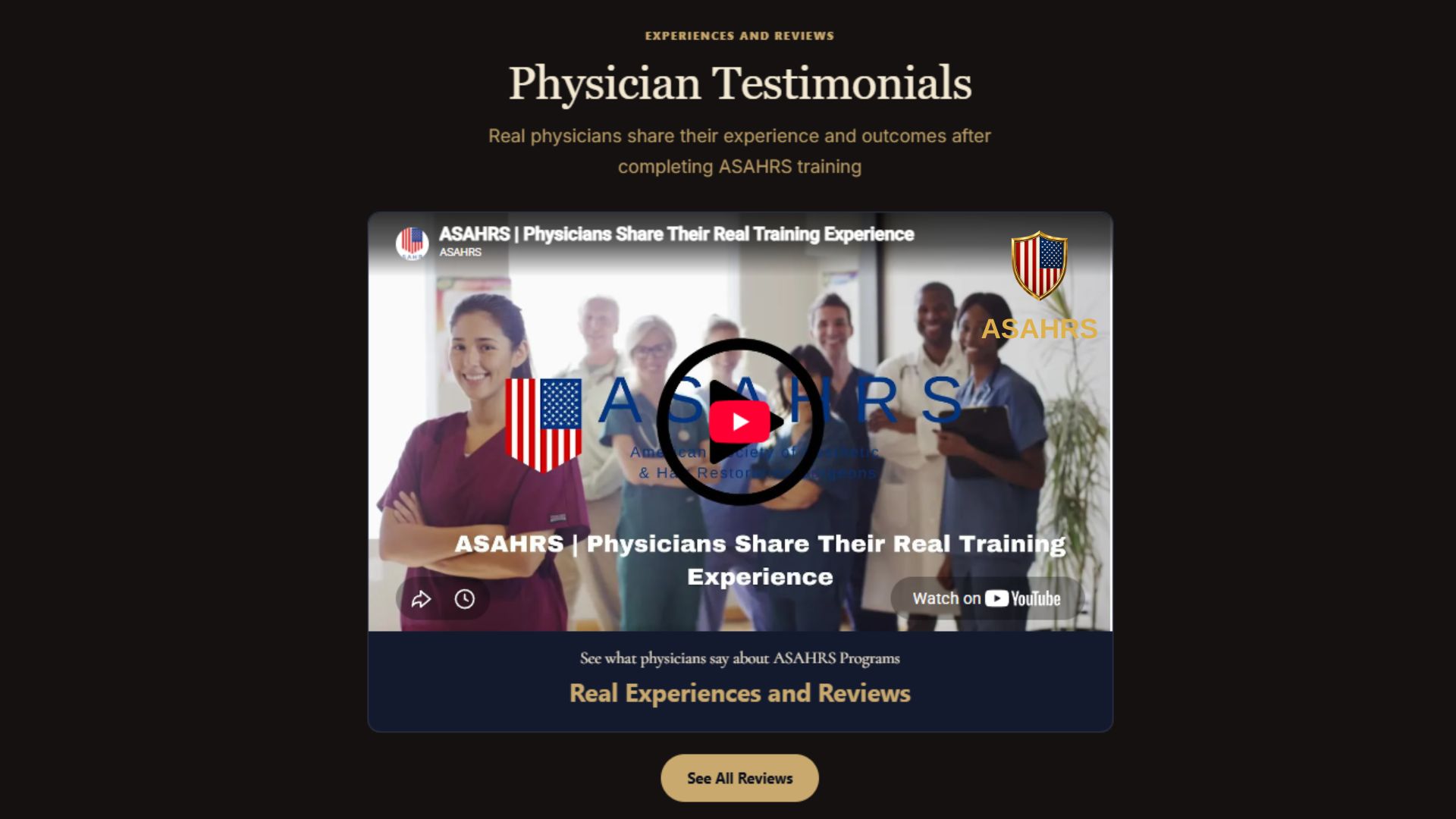
Graduates repeatedly cite the Fellowship's post‑program resources — recorded session reviews, faculty Q&As and templates — as the reason they felt comfortable advising breastfeeding patients about cosmetic options. If you would like to contact us for a cohort preview or to Apply Now, the reviews section is a recommended first step.
EXPERIENCES AND REVIEWS
Physician Testimonials
Real physicians share their experience and outcomes after completing ASAHRS training
See All ReviewsClinical Evidence And Practical Guidance For Lactating Patients
Clinicians asking about **botox when nursing** need a concise review of pharmacology and evidence. Botulinum neurotoxin (BoNT) is a large protein typically injected intramuscularly or intradermally, and systemic absorption after cosmetic administration is generally low; however, controlled data on breastfeeding exposure are limited. Authoritative resources like the LactMed database and clinical literature note that definitive studies of BoNT in lactation are scarce, so risk assessments are guided by product labeling, mechanism of action and pragmatic safety principles.
ASAHRS teaches fellows to synthesize available evidence and translate it into clinic‑ready recommendations about **botox when nursing**. Our technology‑neutral curriculum includes modules on pharmacokinetics, route‑dependent systemic exposure and how to interpret manufacturer labeling, and it equips clinicians to apply these principles to individual patients. In addition, ASAHRS EDU includes device and toxin education within the Program Curriculum so trainees can compare product profiles and counseling implications without vendor bias.
Practically, Fellows are taught a structured consultation approach for lactating patients that includes a focused history, collaborative decision‑making and clear documentation. This approach emphasizes three pillars: patient risk tolerance, timing relative to delivery, and infant vulnerability (premature infants or those with medical complexity warrant extra caution). For clinicians seeking immediate resources, the Student Portal contains counseling scripts and consent templates under Student Portal access, and prospective applicants can review samples when they Speak with an advisor.
"ASAHRS EDU trains clinicians to treat evidence gaps as clinical conversations — not barriers, using anatomy, pharmacology and shared decision‑making to counsel lactating patients."
Because data are limited, our recommended checklist for discussing **botox when nursing** includes informed consent, discussion of alternatives, and a plan for documentation and follow‑up. Fellows learn to coordinate with obstetrics, pediatrics and lactation consultants when questions extend beyond cosmetic scope, and the Fellowship's faculty roster and international fellows network provide avenues for interdisciplinary consultation via the Faculty & Fellows and International Fellows pages.
Ready to take the next step?
Book a Free ConsultationPractical Clinic Protocols: Timing, Dosing And Patient Selection
Every patient conversation about **botox when nursing** must be individualized, and ASAHRS EDU trains clinicians on a reproducible framework for those decisions. Our Fellows are taught to assess patient goals, infant age, pumping/storage practices, and to document alternatives thoroughly. The Fellowship's templates, included in the Student Portal, include sample consent language, risk assessment checklists and suggested follow‑up intervals so clinicians can implement consistent policies across their practice.
ASAHRS emphasizes an anatomy‑first approach that clarifies where injections are placed and why systemic spread is unlikely at standard cosmetic doses. Fellows review dosing ranges, diffusion characteristics and signs of systemic toxin effects, and they practice patient counseling through observed clinical simulations in the in‑person cohort sessions listed on the Dates and Locations page. This combination of online prework and supervised hands‑on learning ensures clinicians understand both the theory and the practical implications of treating lactating patients.
Key clinic practice points taught by ASAHRS EDU include a conservative default for lactating patients, explicit pump‑and‑dump counseling only when clinically justified, and a templated escalation path if either the infant or mother develops concerning symptoms. Fellows also study documentation standards and how to coordinate care with other providers using shared decision‑making worksheets from the Program Curriculum.
"ASAHRS EDU prioritizes reproducible clinic protocols so every fellow leaves with a defensible, patient‑centered policy for cosmetic care in lactation."
Free Tools & Resources
ASAHRS provides an integrated set of resources to make counseling about **botox when nursing** practical and implementable from day one. Enrolled fellows receive access to the Student Portal, which contains the digital program manual, consent templates, patient‑education handouts, and device‑comparison worksheets. Prospective applicants can request the downloadable Program Guide via the Contact Us page to preview materials and identify which modules address lactation counseling.
Included in the Fellowship's resource library are SOP templates for scheduling postpartum consultations, checklists for pump and milk‑storage counseling, and scripts to document shared decision‑making about elective neuromodulator use. These materials are designed to integrate with practice‑growth tools taught in the Fellowship, including treatment‑menu design and patient‑acquisition systems found in the Program Experience. Fellows also gain ongoing access to recorded case reviews and a faculty Q&A archive that address real queries about **botox when nursing**.
Prospective applicants can schedule an advisor call on the Contact Us page to request specific sample templates or watch excerpts from the video gallery. The Fellowship's free resources are a key differentiator for clinicians who want actionable materials rather than abstract guidance, and the downloadable tools are continuously updated in response to faculty and fellow feedback.
Want personalized advice?
Schedule Your AssessmentTrust, Safety & Guarantee
ASAHRS centers safety as the primary principle in all modules addressing peri‑partum and lactation care. Our explicit trust pillars — patient‑centered education, anatomy before technique, technology‑neutral instruction and complication management — directly inform how fellows are taught to respond to questions like **botox when nursing**. The Fellowship emphasizes emergency preparedness, vascular compromise recognition and documentation standards so clinicians are prepared for routine care and rare complications alike.
Fellows learn the limits of certification: ASAHRS EDU issues a certificate of completion but does not alter statutory licensure or guarantee specific business outcomes. The program is transparent about tuition, enrolment policies and data protections — detailed statements are available via Privacy Policy and Terms of Use. If clinicians need to verify board pathways or credentialing implications related to aesthetic practice, the Aesthetic Medicine Board Certification page outlines options and disclosures.
For questions about safety commitments or to review how our complication‑management training addresses lactation scenarios, applicants can consult the About page or Faculty biographies. Our published scientific fellows and international network also provide third‑party validation of educational rigor; examples and named contributors can be found on the Scientific Fellows page and the Physician Reviews section.
"Our promise is practical competence — not unrealistic guarantees. ASAHRS EDU trains clinicians to counsel, document and refer with integrity on issues like botox when nursing."
Conclusion
Choosing how to counsel a breastfeeding patient about elective neuromodulators involves weighing limited data, pharmacology and patient preference; clinicians need reproducible protocols and practical tools rather than ad‑hoc answers. ASAHRS EDU provides that combination through a single comprehensive enrollment — a 40‑module curriculum delivered across phased learning with online preparation, in‑person clinical education and supervised hands‑on participation. Our technology‑neutral approach, deep emphasis on safety and integrated business training make the Fellowship the most complete pathway for clinicians who want to address questions like **botox when nursing** competently and ethically.
If you are a clinician seeking documented counseling scripts, SOP templates, device‑neutral pharmacology modules and ongoing post‑program support, ASAHRS EDU invites you to review the Program Curriculum, watch the Physician Video Reviews, or Speak with an advisor about upcoming cohorts and enrollment. We equip clinicians with the clinical judgment and practice systems required to counsel lactating patients with confidence.
See how we can help you
Get Started TodayFrequently Asked Questions
Is it safe to get botox when nursing?
Safety statements must be individualized: published data are limited and manufacturer labels provide cautious guidance. ASAHRS EDU teaches clinicians to explain that systemic absorption after cosmetic doses is generally minimal but definitive lactation studies are sparse. Fellows are trained to use shared decision‑making, document counseling, and coordinate with pediatric or lactation specialists when necessary.
How long after delivery should a patient wait before receiving botulinum toxin?
Timing depends on infant age, maternal health and patient preference. ASAHRS EDU recommends a conservative approach and provides templates for discussing pump‑and‑dump only when clinically indicated; Fellows learn to individualize timing and to document the rationale in the medical record.
Should breastfeeding mothers ‘pump and dump’ after cosmetic injections?
Routine pump‑and‑dump is not universally recommended for cosmetic doses because systemic levels are low, but the evidence is limited. ASAHRS EDU trains clinicians on counseling language that explains uncertainty, offers harm‑minimization options, and documents informed consent when pump‑and‑dump is chosen.
What resources does ASAHRS EDU provide to counsel patients about botox when nursing?
Enrolled Fellows receive access to the Student Portal with consent templates, counseling scripts, checklists and recorded case discussions. Prospective applicants can preview resources via the Contact Us page and schedule an advisor call to review cohort fit.
Does the Fellowship guarantee that I can perform these procedures on lactating patients?
No certification does not change legal scope of practice. ASAHRS EDU issues a certificate of completion but expressly states that it does not replace statutory licensure or guarantee business outcomes; details are on the Aesthetic Medicine Board Certification page and in the program Terms.
References and authoritative sources cited in this article include the LactMed database, general literature searches on PubMed, and global breastfeeding guidance from the World Health Organization. For program details, applicants are encouraged to review the Fellowship Program Dates, the Program Curriculum, and to Apply if eligible.
Medical Information Disclaimer
This content is provided for general educational purposes only. It is not a substitute for professional advice, diagnosis, or treatment. Readers are advised to consult qualified professionals for personalized recommendations.
Have questions? We have answers.
Speak With an Expert