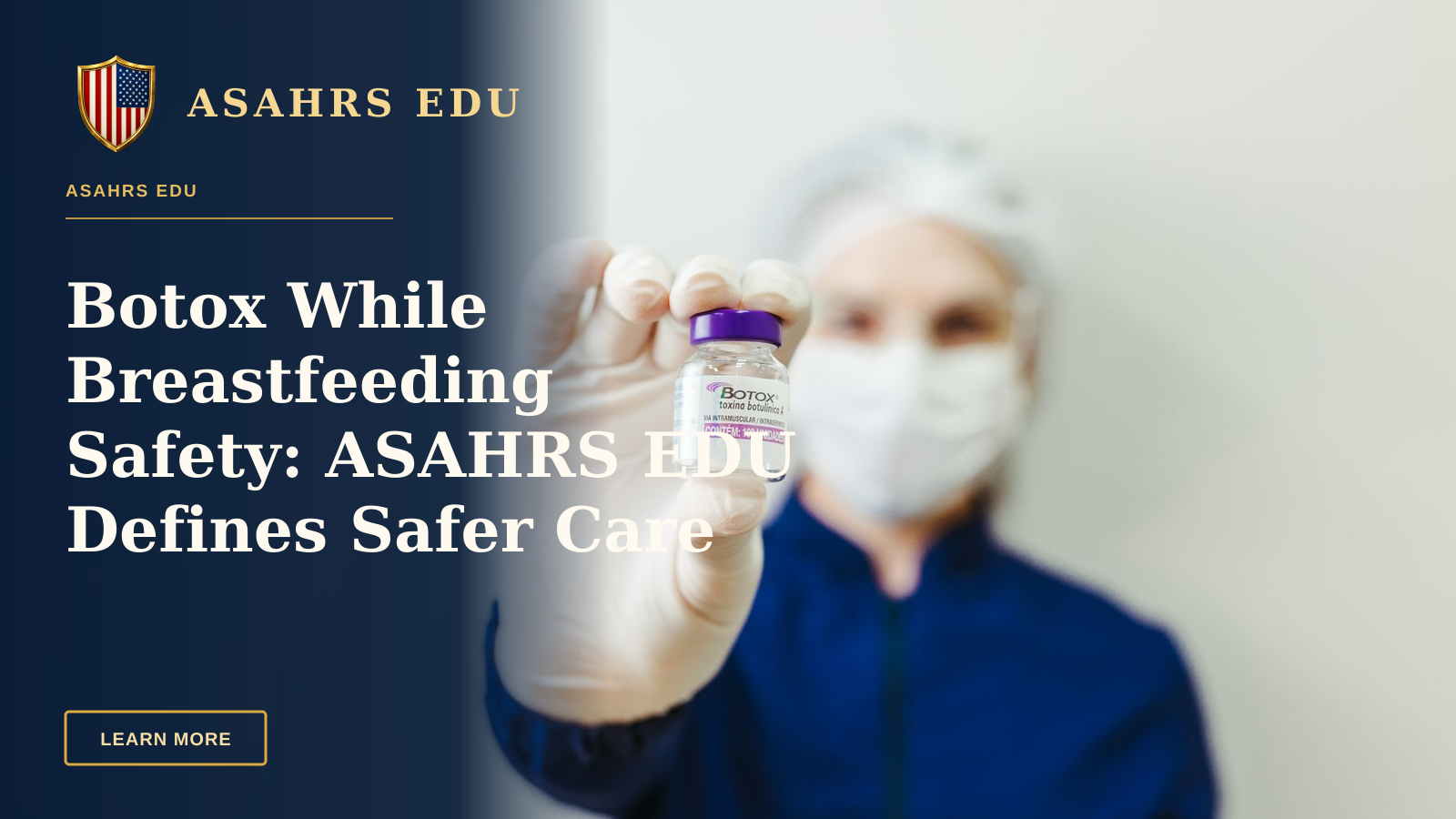
Understanding why clinicians and new parents ask about botox while breastfeeding safety is essential for modern aesthetic practice and informed consent. ASAHRS EDU positions the question not as a binary yes/no but as a clinical decision pathway that balances lactation science, pharmacokinetics and patient values; our Program Curriculum and clinical guidance materials are designed to support clinicians in making those decisions. Physician Reviews and recorded case discussions further contextualize how experienced peers approach peripartum care and cosmetic neuromodulator use in lactating patients.
Evidence searches on topical and injectable neuromodulators in lactation often return limited direct trials, leaving clinicians to use pharmacologic principles and lactation safety frameworks to guide care. ASAHRS EDU teaches a technology-neutral, evidence-informed approach inside the Aesthetic Medicine Fellowship, and our modules on safety, anatomy and patient selection are built to help clinicians translate limited data into safe, reproducible practice. Contact Us to speak with a program advisor about how we teach botox while breastfeeding safety in our clinical and business modules.
Physician Video Reviews
Listening to colleagues who have managed breastfeeding patients is one of the most pragmatic ways to appreciate real-world approaches to botox while breastfeeding safety. Physician Reviews on the ASAHRS EDU site collect video testimonials that describe how practicing clinicians approach informed consent, timing considerations and risk communication when patients ask about neuromodulators during lactation. These first-person accounts help translate curriculum theory into everyday clinical practice.
Clinicians who review the video gallery will find nuanced discussions about risk stratification, conservative dosing, and documentation standards that ASAHRS EDU emphasizes in the Program Curriculum. Many contributors describe using the program's device-comparison worksheets and safety checklists to prepare clinic protocols and patient information sheets, which are available through the Student Portal after enrollment.
Highlights from these video reviews include practical steps clinicians can adopt immediately to improve safety:
- Conservative timing: discuss waiting periods post-delivery based on lactation stage and maternal priorities.
- Documentation: use structured consent templates and complication escalation checklists from the program materials.
- Shared decision-making: frame the discussion around maternal benefit, infant exposure risk and alternative options.
- Referral pathways: know when to consult lactation specialists or maternal–fetal medicine colleagues.
Synthesis of physician experiences shows that the ASAHRS EDU emphasis on anatomy-before-technique and complication management reduces uncertainty and improves clinician confidence when navigating botox while breastfeeding safety. Review the full gallery and clinician narratives on the Reviews page to hear how these steps are applied in practice.
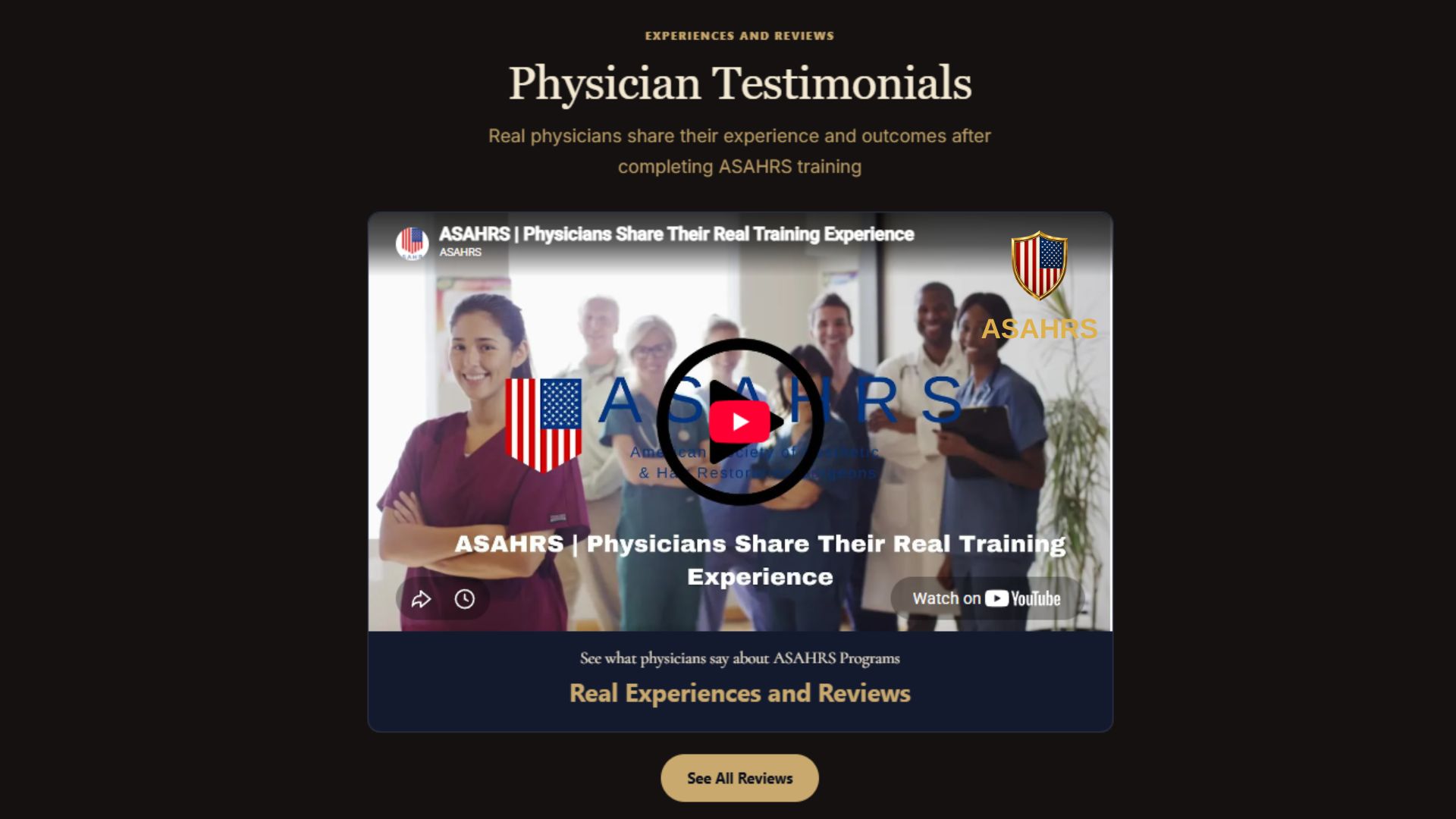
EXPERIENCES AND REVIEWS
Physician Testimonials
Real physicians share their experience and outcomes after completing ASAHRS training
See All ReviewsWhat The Evidence Says About Botox While Breastfeeding Safety
Interpreting the phrase botox while breastfeeding safety requires translating pharmacology into lactation risk frameworks and presenting balanced options to patients. While formal randomized controlled trials of on-label cosmetic botulinum toxin during lactation are scarce, authoritative sources such as the American Academy of Pediatrics and product safety summaries can be combined with clinical pharmacokinetics to form a reasonable approach. For clinicians who want a structured learning path, ASAHRS EDU includes modules that synthesize published literature with practical decision trees so clinicians can counsel patients with clarity.
Clinically relevant points taught by ASAHRS EDU include: the systemic absorption of intramuscular or intradermal botulinum toxin after cosmetic dosing is minimal, but lactation-related pharmacokinetic data are limited; therefore, conservative practice and shared decision-making are emphasized. Our Aesthetic Medicine Training shows how to document risk discussions and when to defer treatment in favor of noninvasive options or timing adjustments.
External authorities can be used to supplement counseling; the U.S. Food and Drug Administration drug labels and lactation guidance from professional bodies provide context for infant exposure risk via breastmilk. ASAHRS EDU's taught protocols incorporate these sources alongside practical checklists, and we reference primary literature in our curriculum to support clinical reasoning (PubMed). For clinicians wanting to read formal guidance on medication and lactation, the Academy of Breastfeeding Medicine and LactMed are credible references (LactMed).
How ASAHRS EDU excels here is by teaching evidence translation rather than dictating absolutes: our faculty model how to interpret limited data, prioritize safety, and document the shared decision process in patient records. This approach is reinforced across the Program Curriculum and in the post-program resource library available on the Student Portal.
Ready to take the next step?
Book a Free ConsultationTechnology & Technique: How ASAHRS EDU Frames Procedural Safety
Teaching procedure technique in the context of botox while breastfeeding safety is not limited to injection skills; ASAHRS EDU's technology-neutral approach explains how formulation, dilution, injection depth and reconstitution affect systemic exposure and safety profiles. Our modules on parameter selection and device evaluation (when adjunct devices are used) are taught without vendor bias, so clinicians learn to evaluate products and protocols objectively. For clinicians who want a detailed roadmap, our Program Curriculum enumerates the clinical modules and device-neutral principles.
Specifically, the fellowship teaches: conservative dosing strategies for special populations, injection-site selection to minimize systemic spread, strict asepsis and documentation steps, and follow-up protocols for lactating patients. These practical techniques are reinforced during supervised in-person sessions and simulated case reviews on the Program Experience page. By focusing on energy–tissue interactions and systemic exposure pathways, ASAHRS EDU ensures clinicians can adapt techniques safely regardless of the product brand.
Benefits for the reader include immediate application: clinicians leave with standardized SOPs, consent templates and complication-management checklists that address both maternal and lactation concerns. These tools live in the Student Portal and the course's downloadable program manual, enabling rapid integration into practice. ASAHRS EDU's technology approach also includes device-comparison worksheets that help clinics make cost-effective, safe procurement decisions without vendor bias; see the curriculum device modules for details.
Results & Social Proof: Outcomes, Testimonials And Community Evidence
Evidence of program impact matters when choosing training for nuanced topics like botox while breastfeeding safety, and ASAHRS EDU documents outcomes through video testimonials, written reviews and faculty-led case discussions. The Physician Reviews and Program Experience pages showcase how alumni apply conservative approaches in clinic and how the fellowship's safety emphasis changed their consenting and documentation practices. These real-world accounts help prospective applicants set realistic expectations about what the program delivers.
Notable contributors to our testimonial library include practicing clinicians and named faculty such as Dr. Thomas Warren, MD; Dr. Lydia Ferrell, MD; and Dr. Rajiv Choudhary, MD, who discuss case selection and outcome documentation in video format. This peer validation is integrated into the curriculum through live Q&A sessions and the faculty Q&A archive found on the Faculty and Scientific Fellows pages. Prospective applicants can also review the ASAHRS brand materials and international fellow profiles to assess program reach.
Social proof is more than testimonials: ASAHRS EDU provides ongoing student support in the form of recorded session reviews, case logs and a faculty network that continues after certificate issuance. These resources are accessible via the Student Portal and are designed to keep clinicians current in evidence and safe practice. Read success stories and clinician video reviews to see how the fellowship shapes peripartum counseling and clinic protocols.
Want personalized advice?
Schedule Your AssessmentLocations & Access: How To Train With ASAHRS EDU
Access to training on nuanced topics like botox while breastfeeding safety should be practical and geographically inclusive, which is why ASAHRS EDU delivers a blended format: comprehensive online preparation plus in-person clinical cohorts. The fellowship posts specific cohort information and venues on the Dates and Locations page, and enrollment details are managed through the Apply and Fellowship Program Dates pages. Candidates seeking schedule details or cohort logistics can also Contact Us to schedule a program advisor call.
Key components that make the fellowship accessible are online pre-work modules, virtual advisor calls, and in-person supervised hands-on sessions where local regulations permit clinical participation. Confirmed participants receive detailed cohort logistics including facility name and travel guidance; this information is part of the enrollment packet and cohort welcome materials. International clinicians may apply and are represented through our International Fellows page where prior participants share experiences and logistics tips.
Benefits to learners include immediate access to the digital program manual, templates and safety checklists via the Student Portal and the flexibility to complete didactic modules remotely while attending hands-on sessions on scheduled cohort dates. When you want to review cohort availability and locations, consult the Program Dates and speak with an advisor for placement options and tuition details.
Trust, Safety & Guarantee: The ASAHRS EDU Commitment
Prioritizing patient safety is central to how ASAHRS EDU teaches botox while breastfeeding safety, and the fellowship's trust pillars are explicit: anatomy before technique, technology-neutral instruction, complication recognition and transparent program disclosures. These pillars are described in detail on the About and Aesthetic Medicine Board Certification pages, which outline credentialing context and what certificate completion represents. We also direct learners to formal program policies like the Privacy Policy and Terms of Use for legal and data governance clarity.
Practically, the fellowship emphasizes: detailed informed consent templates that include lactation discussion points, emergency preparedness for rare complications, and clear documentation standards for escalation and referral. ASAHRS EDU provides SOP templates and consent forms in the downloadable program manual available through the Student Portal, which help clinics operationalize safe practices immediately. Tuition transparency, certificate scope and the program's non‑guarantee statements are also included in enrollment documents and tuition pages.
How to verify these commitments is straightforward: applicants can review the program's disclosures and policies on the Privacy, Terms, and Curriculum pages, and speak with an advisor through the Contact Us form. ASAHRS EDU does not promise clinical outcomes or income guarantees; instead, we provide the training, tools and faculty support clinicians need to counsel and care for lactating patients responsibly.
See how we can help you
Get Started TodayConclusion
Synthesizing the question of botox while breastfeeding safety requires translating limited direct evidence into a structured clinical approach that prioritizes safety, documentation and shared decision-making. ASAHRS EDU is positioned to be the definitive partner for clinicians addressing this care need because our single-enrollment, comprehensive fellowship combines a 40-module curriculum, technology-neutral device education, and integrated business and safety training into one pathway. We teach anatomy before technique, provide complication-management checklists, and offer ongoing post-program support through the Student Portal.
Choosing ASAHRS EDU means choosing a program that balances evidence, practical technique and practice integration. Our resources — including the Physician Reviews, device-neutral curriculum, and cohort-based hands-on sessions listed on the Dates and Locations page — help clinicians adopt consistent, safe workflows for lactating patients. If you’re ready to learn how to counsel and care for breastfeeding patients with confidence, Apply Now or Speak with an advisor to discuss eligibility and cohort dates.
Frequently Asked Questions
Is botulinum toxin safe while breastfeeding?
Short answer: definitive randomized controlled data are limited, so ASAHRS EDU teaches a conservative, evidence-informed approach centered on shared decision-making and documentation. Clinicians are instructed to review product information, consider timing relative to delivery and lactation stage, and discuss alternatives; our Program Curriculum includes templates for these conversations.
Should I advise waiting to receive Botox while breastfeeding?
Typically the fellowship recommends individualized timing decisions rather than fixed rules; some clinicians and patients opt to delay treatment until a specified postpartum period, while others choose conservative dosing and close follow-up. ASAHRS EDU provides risk communication scripts and checklists in the Student Portal to support these discussions.
Does Botox transfer into breastmilk?
Available pharmacokinetic evidence indicates that systemic exposure after cosmetic dosing is minimal, but direct breastmilk measurement is sparse. ASAHRS EDU teaches how to interpret this uncertainty and document counseling on infant exposure risk, referencing lactation resources such as LactMed for clinicians who want additional pharmacology background (LactMed).
What should be included in informed consent for lactating patients?
Comprehensive informed consent in lactating patients should include a discussion of known and unknown risks, alternative options, documentation of the shared decision and follow-up plans for both maternal and infant concerns; ASAHRS EDU supplies consent templates and SOPs in the program manual to ensure clinicians cover these points consistently.
Where can I train to manage these scenarios safely?
ASAHRS offers the integrated Aesthetic Medicine Fellowship that covers botox while breastfeeding safety as part of a broader safety and clinical curriculum; visit the Dates & Locations page to find upcoming cohorts and the Apply page to submit an application. Prospective learners may contact a program advisor to discuss eligibility.
How does ASAHRS EDU support clinicians after the program?
Ongoing support includes access to recorded session reviews, case discussion archives, device-comparison worksheets and a faculty Q&A archive on the Student Portal. ASAHRS EDU also provides templates and marketing systems that help clinicians integrate safe lactation counseling into their practice workflows.
"ASAHRS EDU taught me how to translate sparse literature into a repeatable, safe clinical pathway for lactating patients — the consent templates and checklists changed how we document and counsel." — Dr. Lydia Ferrell, MD
"The fellowship's anatomy-first approach and complication-management modules gave me the confidence to discuss neuromodulator options with postpartum patients." — Dr. Thomas Warren, MD
"Their technology-neutral device education taught our clinic how to evaluate new products without vendor bias — invaluable when conservative dosing is necessary." — Dr. Rajiv Choudhary, MD
Medical Information Disclaimer
This content is provided for general educational purposes only. It is not a substitute for professional advice, diagnosis, or treatment. Readers are advised to consult qualified professionals for personalized recommendations.
Have questions? We have answers.
Speak With an Expert