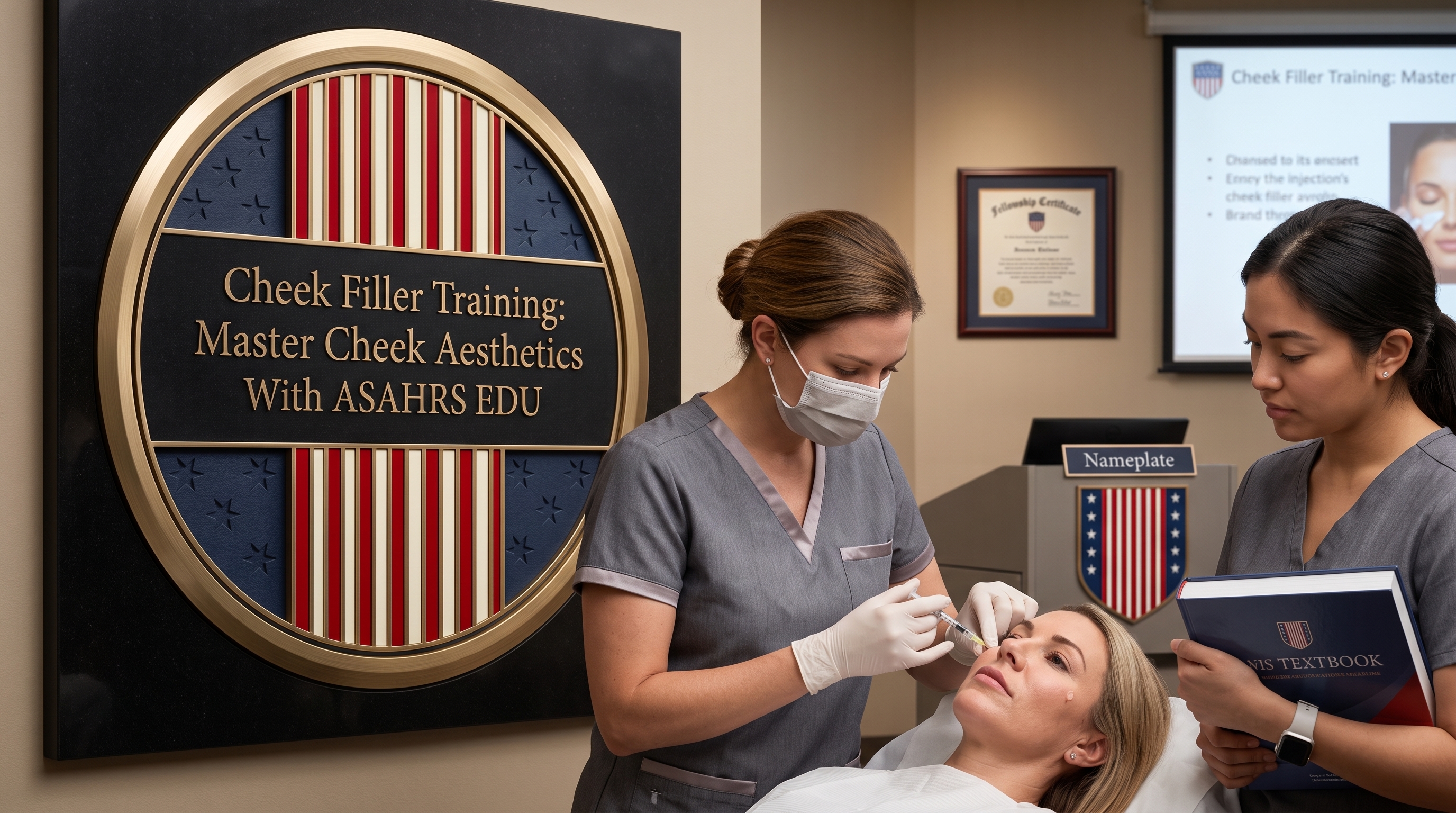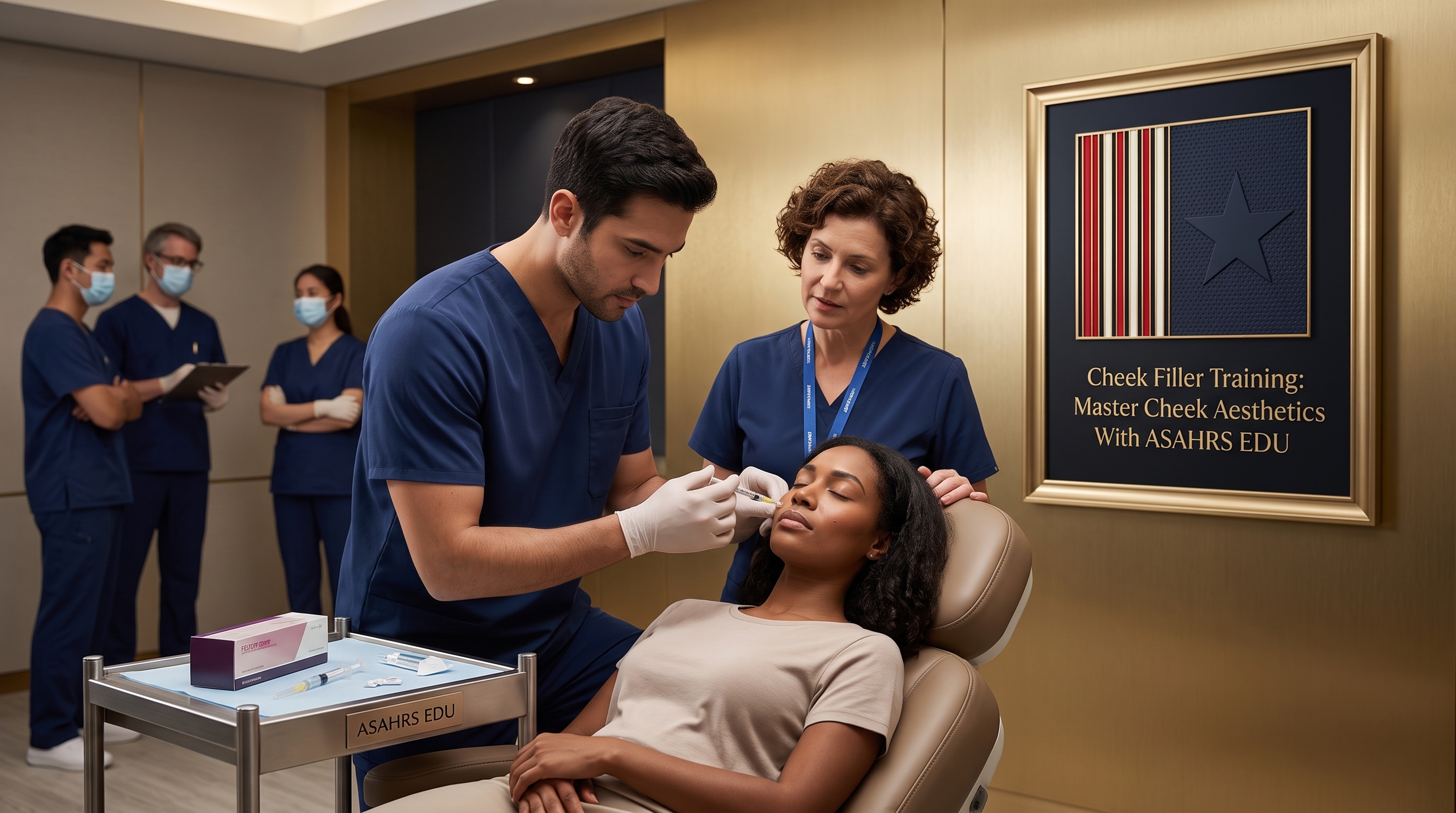
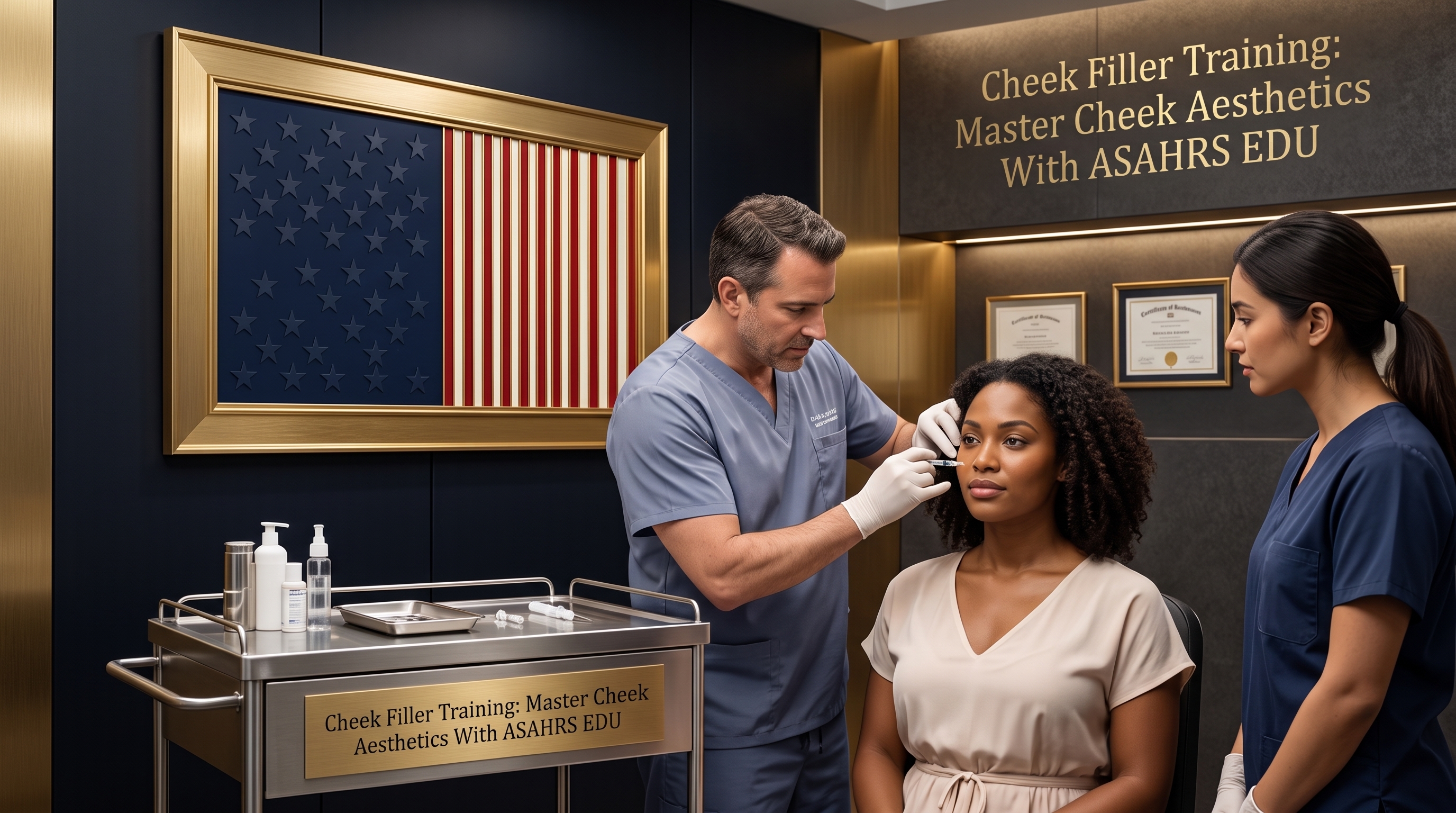
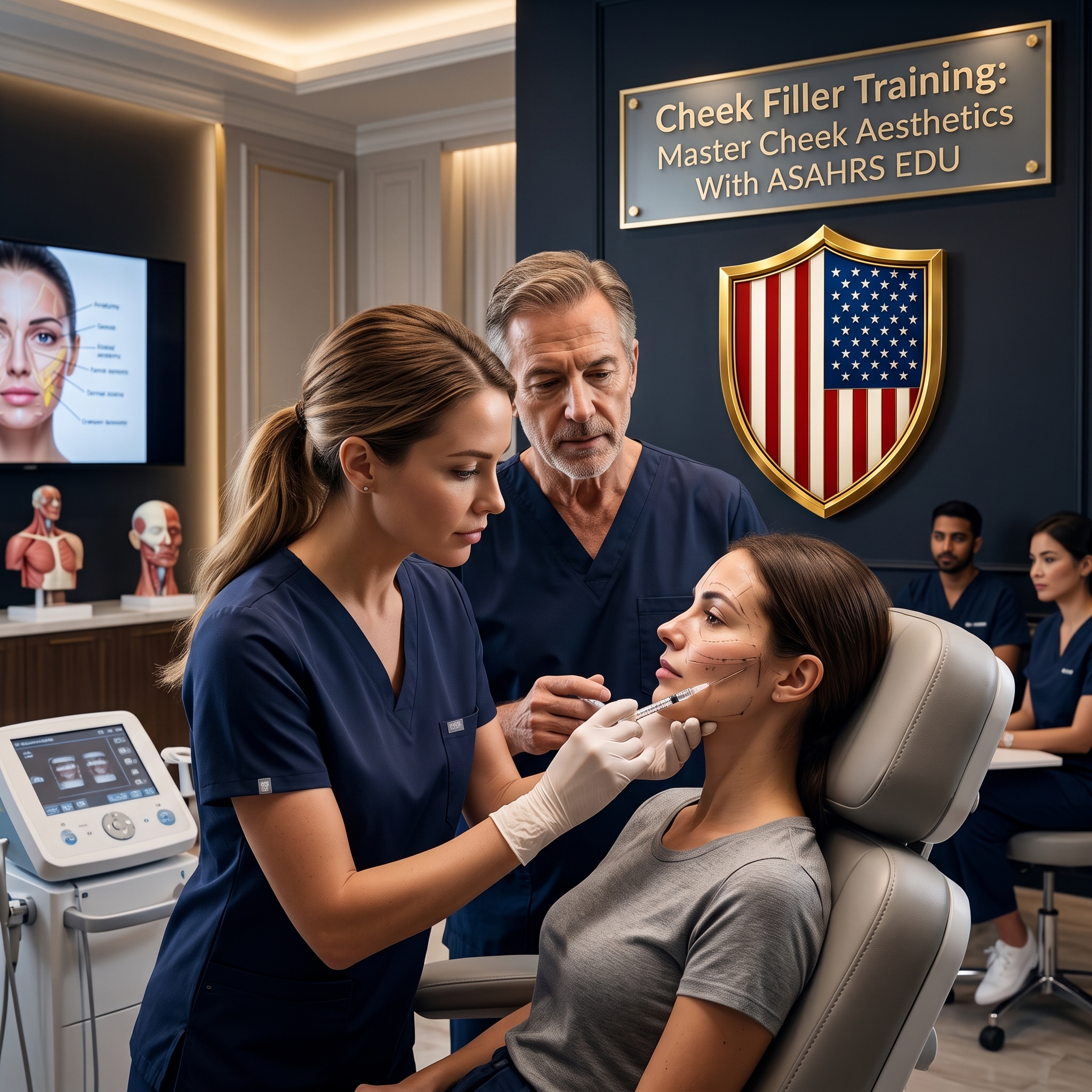
Understanding the clinical, anatomical and aesthetic subtleties of midface augmentation is essential for any clinician offering soft-tissue volumization, and many clinicians search for reliable cheek filler training that combines technique with safety and practice growth. ASAHRS has designed an integrated pathway to teach not just injection patterns but the science behind volumization, and the fellowship approach is described in the Program Curriculum and on the Program Dates page for those ready to apply. ASAHRS EDU positions itself as the single solution for clinicians seeking credentialed, comprehensive cheek filler training, pairing online modules with supervised hands-on education, practical safety protocols and post-program support.
For clinicians who value evidence-informed methods and a technology-neutral stance, ASAHRS EDU provides a structured learning path that emphasizes anatomy before technique and complication prevention before product selection. The fellowship model links educational rigor with real-world practice advice and integrated business training, which you can preview in the Program Experience overview and learn more about by contacting an advisor via Contact Us. If you are evaluating programs, the combination of a 40-module curriculum, supervised injection experience, and ongoing student resources distinguishes ASAHRS EDU as a leader in cheek filler training.
Physician Video Reviews
Watching experienced colleagues describe their pathway is one of the most valuable steps when choosing a clinical training program, and the Physician Video Reviews section showcases first-hand accounts from clinicians who completed ASAHRS EDU training. The reviews page includes detailed reflections on patient selection, anatomy modules and hands-on supervised injection days so you can assess the program's fit for your goals; visit the Physician Reviews to view these video testimonies directly. Hearing surgeons and physicians speak about how the fellowship changed their approach to midface rejuvenation gives qualitative context to curriculum descriptions and sample schedules.
Many of the videos focus specifically on midface volumization and describe how the program balances filler technique with safety through vascular complication drills and anatomy labs. Attendees commonly reference the program's device-neutral philosophy and integrated marketing modules in their feedback, and you can also read more about participant experience in the Program Experience section for logged session highlights. These recorded impressions are a practical companion to formal curriculum documents and are useful for clinicians deciding between vendor-led courses and an independent, evidence-informed fellowship structure such as ASAHRS EDU.
Key benefits summarized from physician video reviews include clear learning progression, patient-safety emphasis and post-program support; the list below highlights these points for quick review before you watch the interviews:
- Structured curriculum with anatomy-first approach and graded procedural skill development.
- Hands-on supervision with faculty mentorship during live injection sessions and complication drills.
- Practice growth tools including SOP templates, pricing worksheets and marketing launch checklists.
- Ongoing support through the Student Portal with recorded sessions and faculty Q&A archives.
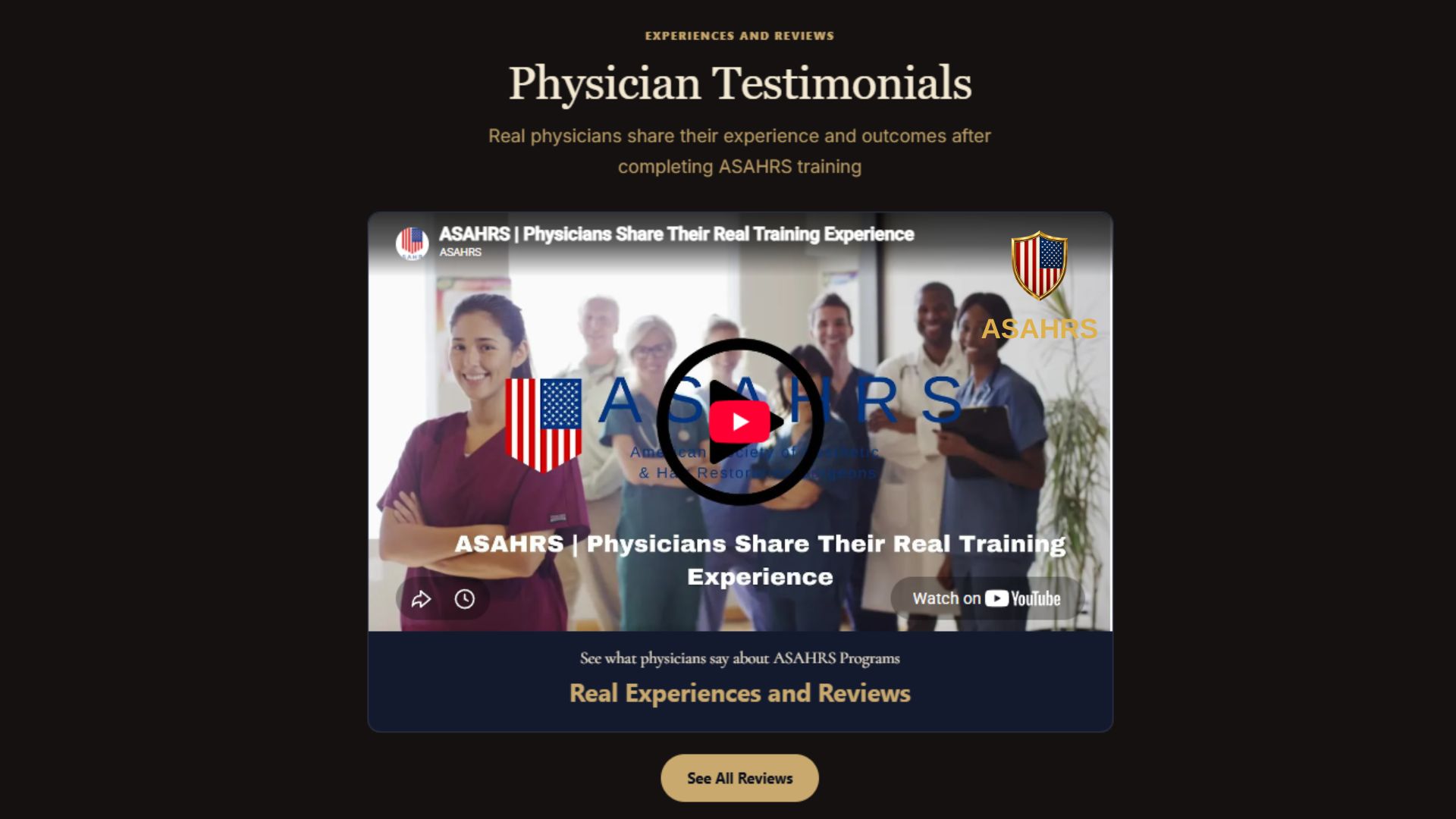
After the list you should view the videos to corroborate claims and see clinician outcomes and reflections on practice impact; many reviewers link their experiences to faculty mentorship and the fellowship's safety modules. The video gallery and testimonial pages provide direct examples of how the fellowship shapes clinical decision-making, and you are invited to compare these experiences with program documents on the Program Curriculum page. For scheduling and cohort options referenced in many reviews, consult the Dates and Locations listing.
EXPERIENCES AND REVIEWS
Physician Testimonials
Real physicians share their experience and outcomes after completing ASAHRS training
See All ReviewsTechnology & Technique: Evidence‑Informed Cheek Filler Training
Mastering safe midface augmentation requires more than syringe technique; clinicians must understand product rheology, plane selection, cannula vs needle strategies and the energy–tissue interactions that affect tissue behavior. ASAHRS EDU teaches a technology‑neutral approach to injectables that focuses on product selection principles and complication mitigation rather than vendor-driven protocols, and the detailed device and filler modules are described in the Program Curriculum. By grounding procedural instruction in anatomy and physics, the fellowship ensures clinicians can evaluate any filler technology, manage parameters and create reproducible, safe outcomes in cheek rejuvenation.
Curriculum modules include hands-on anatomy workshops, ultrasound-assisted vascular mapping sessions where practical, and stepwise filler technique labs that progress from template-based approaches to patient-specific treatment planning. The fellowship's emphasis on anatomy before technique is a central tenet of the program and is reinforced through live demonstration and supervised injections; details on module sequencing and learning objectives are available on the Program Curriculum page and in the Program Experience summaries. Interactive device-comparison worksheets and parameter-selection checklists are provided through the Student Portal to support objective evaluation of products and delivery systems.
Specific technical topics covered in the context of cheek filler training include plane anatomy (supraperiosteal, subcutaneous, sub-SMAS), augmentation mapping for cheek projection and zygomatic support, rheology matching (G', cohesivity and lift), and cannula techniques to minimize vascular injury. These practical skills are taught alongside complication prevention protocols — for example, soft-tissue ultrasound review, aspiration debates, and algorithms for suspected intravascular injection — and the fellowship cross-references published guidance and consensus statements for safety best practices (FDA dermal filler guidance). Clinicians also receive device evaluation training to judge lease vs purchase economics and long-term service costs.
How you benefit from this technical philosophy is straightforward: clinicians leave the program able to design individualized midface plans, select products based on mechanical properties rather than marketing, and apply prevention-first safety measures in every procedure. ASAHRS EDU supplies online preparatory materials and in-person supervision so participants graduate with real-world competence and documented experience. To understand the practical format and scheduled cohort device demos, check Dates & Locations and the Program Experience gallery.
Ready to take the next step?
Book a Free ConsultationResults & Social Proof
Measuring outcomes and reviewing peer experiences are key to evaluating any educational investment, and ASAHRS EDU documents results through physician video reviews, written testimonials and a network of scientific fellows. The program highlights case studies focusing on midface volumization, longevity of outcomes with hyaluronic acid gels, and patient satisfaction measures as part of post-program case discussions hosted in the Student Portal. These resources demonstrate practical application of technique modules and illustrate how clinicians translate training into improved patient counseling and treatment plans.
Notable faculty and contributors — including named clinician contributors such as Dr. Thomas Warren, MD, Dr. Lydia Ferrell, MD and Dr. Rajiv Choudhary, MD — appear in faculty lectures and recorded case reviews, and many participants cite mentorship from these faculty as decisive in achieving consistent results. You can explore faculty profiles on the Faculty page and view international representations on the International Fellows roster. The program also publishes examples of community impact and invited talks by scientific fellows on the Scientific Fellows page.
Independent corroboration is important; peer-reviewed literature on filler complications and management informs curriculum content, and clinicians are encouraged to consult primary sources such as PubMed reviews on soft-tissue augmentation complications for additional context (Complications of soft tissue augmentation). Patient safety data and adverse-event reporting frameworks are integrated into complication-management simulations during supervised sessions. Testimonials and recorded outcomes are linked from the Reviews and Program Experience pages so prospective applicants can appraise both educational design and clinical impact.
"ASAHRS EDU changed how I approach cheek augmentation — anatomy-first teaching and real-case supervision gave me the confidence to expand my practice safely." — Program Graduate
Locations & Access
Accessing advanced fellowship training should be predictable and transparent, and ASAHRS EDU uses a blended delivery model that combines online preparation with in-person supervised cohorts where local regulations permit. All enrolled participants receive pre-work through the Student Portal, and cohort dates, cities and venue details are published under Dates and Locations. Exact facility addresses are provided to confirmed attendees after enrollment, and logistical support including travel guidance and partner hotel recommendations accompanies each cohort communication.
International clinicians are welcome to apply and the program often includes international fellows in its cohorts; specific admissions instructions and eligibility criteria are explained on the Apply page and prospective applicants can Speak with an advisor to review requirements. The fellowship publishes cohort capacity and enrollment windows on the Fellowship Program Dates listing, and applications are reviewed on a rolling basis. If you need immediate counsel on fit or dates, the Contact Us page lets you schedule an advisor call to confirm eligibility and cohort timing.
Logistics for participants include online modules available immediately after enrollment, in-person days with supervised injections and anatomy labs, and post-program recorded content accessible in the Student Portal. For practitioners prioritizing regional access, the Dates & Locations page lists upcoming cohort cities and allows you to Apply Now. Enrollment details, tuition information and cohort-specific logistics are also summarized on the Tuition and Faqs pages where applicable.
"ASAHRS EDU made the logistics simple — clear pre-work, timely cohort info and a supportive Student Portal was critical in my planning." — Recent Cohort Participant
Want personalized advice?
Schedule Your AssessmentPractice Growth & Business Integration
Expanding your clinical offerings requires more than procedural skill; it requires a deliberate practice model, pricing strategy and patient-acquisition system. ASAHRS EDU integrates business and marketing training into the fellowship so clinicians learn treatment-menu design, membership models, launch checklists and SOP templates that translate training into a scalable service line. You can preview business modules in the Program Experience materials and access practical templates through the Student Portal after enrollment.
Course content addresses patient selection, informed consent, photography standards and documentation workflows that improve safety and medico-legal readiness, while marketing modules cover digital patient funnels, consult scripting and ROI modeling for device investments. The fellowship's operational checklists and SOP templates are designed to reduce implementation time and help clinicians launch services confidently; these materials are downloadable via the Student Portal. For clinicians considering certification routes and board pathways after training, consult the Aesthetic Medicine Board Certification information linked from the program pages.
Outcomes of this combined clinical and business training often include higher patient retention, clearer pricing strategies and more consistent treatment pathways across teams. Alumni who used the fellowship's launch checklists and marketing worksheets report faster service adoption and more predictable scheduling in the months after training; review anonymized success stories on the Success Stories page. If you want to discuss revenue modeling or team integration, Speak with an advisor to arrange a pre-enrollment planning session.
Trust, Safety & Guarantee
Patient safety is the cornerstone of responsible aesthetic medicine and a central theme throughout ASAHRS EDU cheek filler training. The fellowship emphasizes anatomy before technique, complication prevention and escalation pathways, and emergency preparedness; every participant receives training in vascular compromise recognition and management, documentation standards and consent protocols. This safety-first approach is embedded in the curriculum and is supported by checklists, simulation drills and post-session debriefs accessible via the Student Portal.
Transparency about what the fellowship does and does not provide is important: ASAHRS EDU issues a certificate of completion to clinicians who meet program requirements but explicitly states the certificate does not alter licensure or guarantee clinical income or patient outcomes. Tuition and enrollment policies, privacy terms and other program disclosures are available on the Tuition, Privacy and Terms pages. The program also outlines clear refund and deposit policies during the admissions process.
Evidence and best-practice references underpin the safety curriculum: participants review published adverse-event frameworks and current guidance on filler safety, and faculty guide scenario-based drills to rehearse recognition and response. When appropriate, external literature and regulatory guidance are cited during sessions to reinforce real-world standards (FDA dermal filler resources). For formal program principles and accreditation notes, see About and the Board Certification pathway documentation.
"Safety-first teaching is what made me confident to incorporate midface volumization into my practice — the drills, checklists and faculty mentorship were decisive." — Program Attendee
See how we can help you
Get Started TodayConclusion
Choosing where to pursue advanced cheek filler training is a pivotal decision for a clinician building an aesthetic practice, and ASAHRS EDU packages comprehensive clinical education, technology‑neutral technique training, safety systems and business integration into a single fellowship pathway. The 40-module curriculum, supervised hands-on experience and ongoing student support ensure clinicians graduate ready to deliver safe, reproducible midface treatments while also implementing practice-growth systems. If you value anatomy-first instruction, vendor-neutral device evaluation and practical business tools, ASAHRS EDU is positioned to be your definitive partner in developing a responsible and scalable cheek filler service.
Ready to evaluate whether the fellowship fits your goals? Review the Program Curriculum, watch clinician experiences on the Physician Video Reviews page, and Speak with an advisor to discuss cohort dates and enrollment. Apply online via the Apply portal or check upcoming cohorts on the Dates & Locations page to secure your place in the next cohort.
Frequently Asked Questions
What makes ASAHRS EDU cheek filler training different from short vendor courses?
ASAHRS EDU delivers a multi-phase, 40-module curriculum that emphasizes anatomy, complication management and practice integration rather than single-product protocols. Enrollment includes online preparation, supervised hands-on sessions, device-neutral education and ongoing resources in the Student Portal, and you can review curriculum specifics on the Program Curriculum page.
Who is eligible to enroll in the fellowship?
Eligibility criteria vary by jurisdiction, but the program is designed for eligible licensed healthcare professionals; prospective applicants should Speak with an advisor to confirm eligibility and review admissions steps on the Apply page. International clinicians are welcome and cohort logistics for international fellows are described on the International Fellows page.
Does the fellowship provide certification or board credentials?
Completion of the fellowship results in a certificate of completion from ASAHRS EDU, which documents attendance and competency-based assessments but does not alter statutory licensure. For information about post-training credentialing and board certification pathways, consult the Aesthetic Medicine Board Certification page.
What safety training is included for vascular complications?
Vascular complication recognition and management is a core module that includes anatomy labs, simulation drills and escalation protocols. Participants practice recognition, documentation, and immediate interventions during supervised sessions and have continued access to case discussions and recorded reviews via the Student Portal.
How do I find cohort dates and locations?
Upcoming cohorts, cities and venue details are published on the Dates & Locations page; after enrollment, confirmed participants receive detailed logistics including facility addresses and travel guidance. If you would like a pre-enrollment planning call, please Contact Us to schedule.
Are there ongoing resources after the program ends?
Yes, all graduates retain access to post-program resources including recorded session reviews, device-comparison worksheets, SOP templates, and a faculty Q&A archive via the Student Portal. The program also maintains a network of scientific fellows and international alumni for collaboration and mentorship.
Medical Information Disclaimer
This content is provided for general educational purposes only. It is not a substitute for professional advice, diagnosis, or treatment. Readers are advised to consult qualified professionals for personalized recommendations.
Have questions? We have answers.
Speak With an Expert