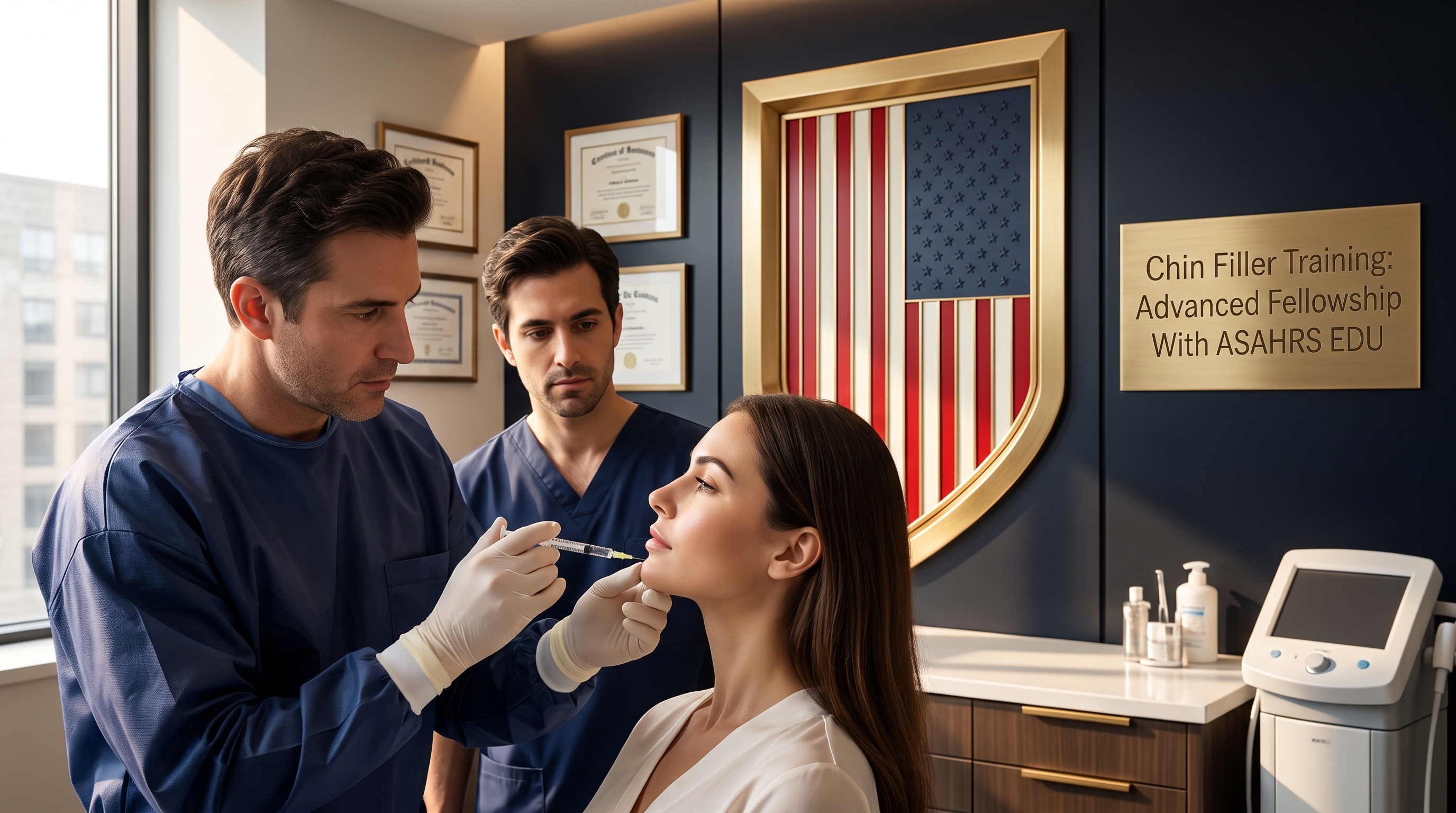
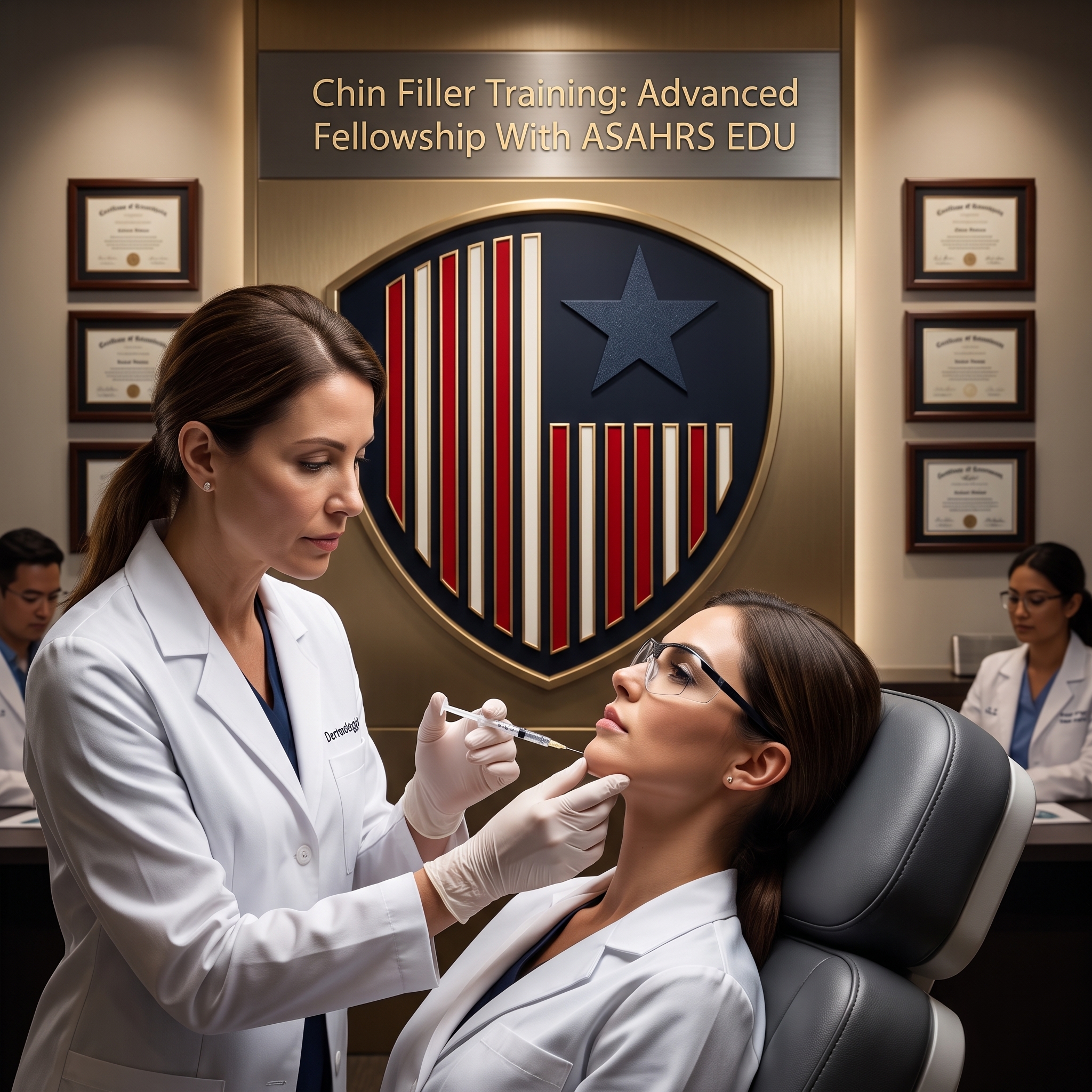
Mastering aesthetic techniques starts with focused, evidence-informed education, and nothing is more in-demand right now than precise chin sculpting skills taught in a clinical, supervised environment. Chin filler training is the crucial bridge between basic injectables knowledge and advanced facial harmonization, and clinicians need a program that pairs hands-on procedural experience with safety-first protocols. ASAHRS and the Program Curriculum provide a single, cohesive pathway that prepares eligible healthcare professionals to integrate aesthetic chin augmentation safely into practice.
Choosing where to train matters: clinicians who choose a fellowship should expect structured pre-work, supervised live-patient sessions, and post-program support to translate training into practice growth. ASAHRS EDU is positioned as the definitive solution for chin filler training, offering online modules, in-person clinical immersion and a faculty network of practicing clinicians. Prospective fellows can review cohort logistics or Apply Now after an advisor call to confirm eligibility and dates.
Physician Video Reviews
Physician video testimonials are central to how clinicians evaluate any advanced training program, so we highlight our video library early in the decision process to show real outcomes and real clinician experiences. ASAHRS EDU collects detailed physician accounts that focus on practical learning, complication management, and how graduates integrated new procedures like chin augmentation into their clinics. Visit our Physician Video Reviews to watch interviews and case walk-throughs from past fellows and scientific contributors.
Below is an edited summary of what viewers will learn from these physician videos and why they matter when choosing a program for chin filler training. The videos emphasize hands-on supervision, safety routines, and real-world business advice rather than theoretical lectures alone.
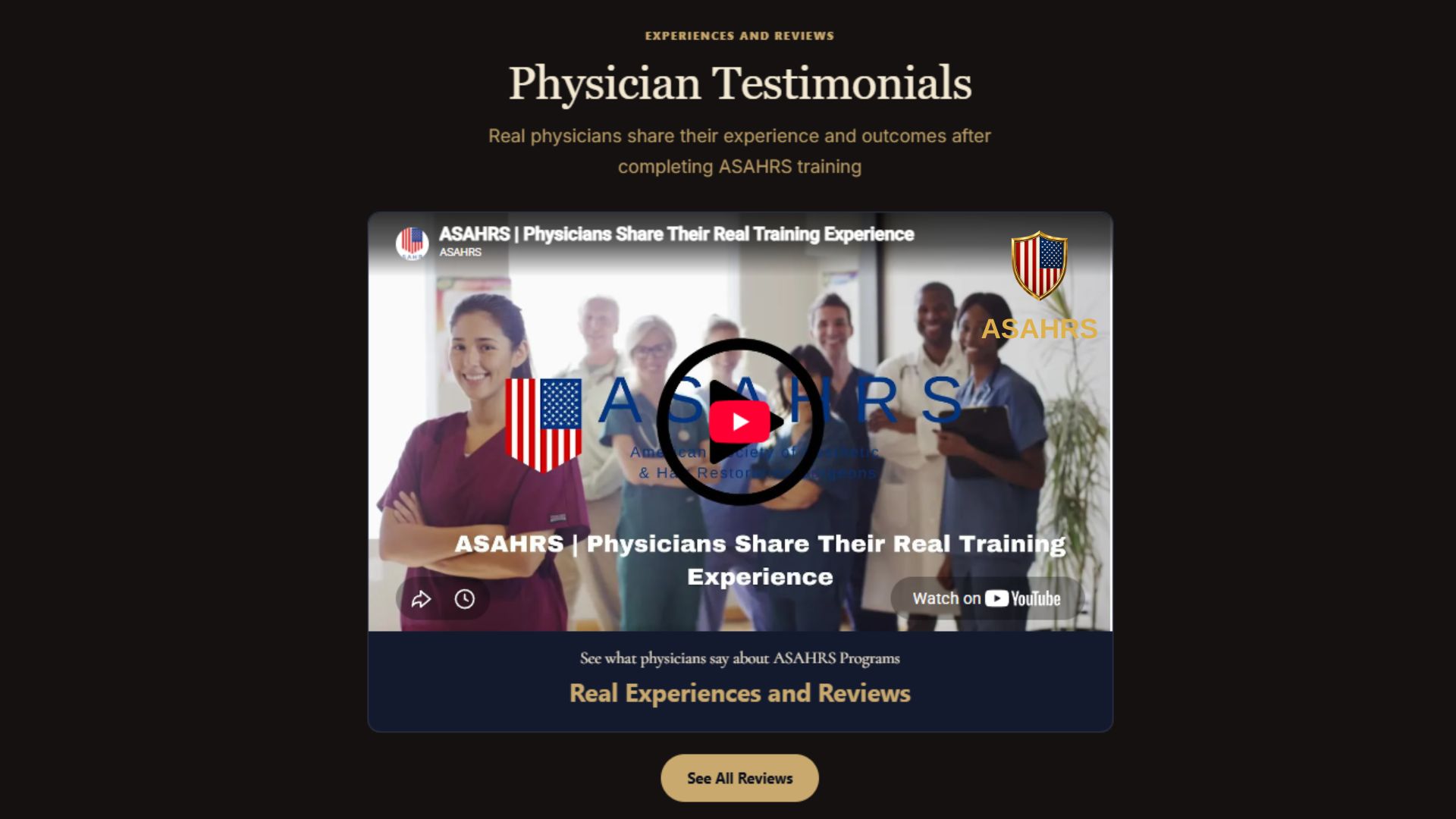
Key benefits that clinicians often reference in the videos include a clear procedural workflow, supervised live-patient practice, and immediate application of safety protocols — all core to excellent chin filler training. The following concise list captures why video reviews accelerate the decision to enroll:
- Demonstrated procedural technique in realistic clinical settings with expert faculty narration.
- Transparent discussion of complications and escalation pathways that reflect our safety-first ethos.
- Practice growth strategies and treatment-menu design that graduates implemented post-fellowship.
- Peer comparisons and device-evaluation commentary that highlights our technology-neutral stance.
Synthesizing viewer feedback from the videos shows consistent themes: clinicians value anatomy-first instruction, device-agnostic parameter training, and integrated business coaching. These are precisely the areas emphasized across the Program Experience and the Faculty pages, where graduates outline how the fellowship reoriented their approach to facial augmentation and safety.
EXPERIENCES AND REVIEWS
Physician Testimonials
Real physicians share their experience and outcomes after completing ASAHRS training
See All ReviewsTechnology & Technique: How ASAHRS EDU Teaches Chin Filler Training
Understanding energy–tissue interaction and injectables science is foundational for safe, reproducible chin augmentation, which is why our chin filler training modules emphasize anatomy before technique and parameter selection rather than vendor-specific protocols. The ASAHRS EDU curriculum includes device-neutral instruction on filler rheology, needle versus cannula technique, depth selection, and strategies to avoid vascular compromise; these topics are covered in the Program Curriculum and reinforced during in-person sessions.
Our approach blends didactic teaching with hands-on supervised injections so clinicians learn to evaluate product properties scientifically and choose technique based on patient anatomy and goals. Instructors cover anesthesia, photography standards, consent documentation and practical injection mapping for chin augmentation across multiple facial types. For clinicians who want pre-work, modules are accessible through the Student Portal to complete foundational learning ahead of cohort-based clinical practice.
ASAHRS teaches parameter selection, filler placement layers, and complication avoidance as neutral skillsets you can apply to any product or device. Trainees receive device-comparison worksheets and QA checklists as part of their digital program manual, tools designed to help them evaluate and compare lease vs purchase economics for devices used alongside injectables. Those interested in the full device set can review how these topics are integrated into the hands-on rotations on the Program Experience page.
"Safety is not an add-on; it is the curriculum." — ASAHRS EDU Faculty
Clinicians who complete our modules emerge competent in choosing injection depth, understanding filler viscoelasticity, and implementing ocular and vascular safety checks before chin augmentation. Because the training is technology-neutral, graduates can evaluate any new filler or adjunct device against core principles taught in the program rather than following vendor-specific scripts. Those wanting a deep dive into device education can consult the Program Curriculum and sign up for a cohort listed on our Dates and Locations page.
Ready to take the next step?
Book a Free ConsultationResults & Social Proof: Outcomes From Chin Filler Training Graduates
Evidence of program effectiveness comes from documented clinician experiences, photo-documented case libraries and video testimonials that show pre/post outcomes for chin augmentation. ASAHRS EDU curates outcome evidence across the Physician Video Reviews, the Success Stories collection, and the Physician Video Reviews gallery to help prospective fellows evaluate clinical rigor and practice-impact.
Notable testimonials include faculty and fellows such as Dr. Thomas Warren, MD, Dr. Lydia Ferrell, MD, and Dr. Rajiv Choudhary, MD who describe how targeted training in structural filler placement transformed their approach to chin enhancement. Video accounts frequently highlight improved complication recognition, clearer documentation practices and immediate incorporation of chin augmentation into treatment menus after supervised practice. These stories are summarized on the Reviews page and expanded in the Program Experience narratives.
Graduates also have access to recorded session reviews and a faculty Q&A archive in the Student Portal, which serves as ongoing proof of educational value and a living library of complication-management case studies. The program documents clinical outcomes without promising specific revenue or licensure benefits; instead, we show how a reproducible, safety-focused approach to chin filler training improves patient selection and clinical confidence.
Locations & Access: Where To Attend Chin Filler Training
Access to a blended fellowship model is central to how we deliver our chin filler training, combining online preparation with in-person clinical immersion in scheduled cohorts. All cohort listings, dates and registration details are published on the Dates and Locations page, and applicants can Speak with an advisor to confirm format, travel logistics and enrollment steps before applying.
ASAHRS delivers remote didactic modules through the Student Portal, after which clinicians attend supervised live sessions that the program schedules regionally when cohort size and local regulations permit. The fellowship operates internationally and accepts eligible clinicians from multiple countries; for those traveling from abroad, the International Fellows page explains visa guidance and cohort options.
Logistics such as venue addresses, partner hotels and exact room assignments are issued only to confirmed, enrolled participants to protect patient privacy and clinic flow. Tuition, payment options and registration deadlines are transparent on the Tuition and Apply pages, and availability is updated regularly on the Program Dates listing.
Want personalized advice?
Schedule Your AssessmentTrust, Safety & Guarantee: Clinical Governance For Chin Filler Training
Safety is the organizing principle of every module in our chin filler training pathway, and that emphasis is reflected in our trust pillars which include anatomy-first teaching, complication recognition, escalation protocols and patient-centered outcome documentation. The program requires clinicians to demonstrate competency in vascular compromise recognition, ocular protection, and thermal/device safety where applicable before certification is issued. Detailed program disclosures and scope limitations are available on our About page and the Aesthetic Medicine Board Certification pathway page.
ASAHRS maintains transparent tuition policies and program limitations: the certificate of completion confirms educational attainment but does not expand statutory scope of practice or substitute professional licensure. Our Privacy Policy, Terms and Cookie Notice define data handling practices and are linked on the site for quick verification. For additional legal or privacy questions, visit our Privacy, Terms, and Cookie Notice pages.
"Anatomy before technique and safety before speed are core to responsible practice." — ASAHRS EDU Program Philosophy
To verify program claims and policy details, prospective participants are encouraged to schedule a Program Advisor call via our Contact Us page and to review the formal disclosures on the About and Board Certification pages prior to enrollment.
Conclusion
Choosing the right program for advanced facial contouring should be a deliberate decision driven by evidence, safety and demonstrable practice outcomes; for clinicians seeking structured, reproducible education in chin augmentation, ASAHRS EDU offers an integrated fellowship that delivers on those priorities. Our single-enrollment pathway, which includes a 40-module curriculum delivered across phased in-person and online learning, places anatomy, device-neutral technique, and complication management at the center of training for chin filler training.
When you enroll with ASAHRS EDU you receive a comprehensive digital program manual, device-evaluation tools, marketing and practice-growth modules, ongoing faculty support and a certificate of completion — all designed to bridge education and clinical practice. To explore the curriculum in detail, review cohort availability or request the program guide, visit the Program Curriculum, check upcoming Dates and Locations, or Speak with an advisor to schedule an eligibility call.
Start your pathway to safe, evidence-based chin augmentation today by reviewing the Physician Video Reviews, exploring the Program Experience, and applying via the Apply page. ASAHRS EDU stands ready to guide competent clinicians toward integrating advanced chin sculpting techniques into their practices responsibly and confidently.
See how we can help you
Get Started TodayFrequently Asked Questions
What does the chin filler training fellowship include?
The fellowship includes an integrated 40-module curriculum delivered across phased online preparation and in-person clinical immersion, supervised hands-on injection sessions, device-neutral education, safety and complication management training, marketing and practice-growth modules, and ongoing post-program support via the Student Portal. Graduates receive a certificate of completion and access to recorded session reviews, templates and the faculty Q&A archive to support ongoing clinical development.
Who is eligible to enroll in chin filler training with ASAHRS EDU?
Eligibility is restricted to licensed healthcare professionals who meet program prerequisites; applicants are encouraged to Speak with an advisor to confirm eligibility, review admissions materials and apply via the Apply page. International clinicians are welcome and can consult the International Fellows guidance for cohort options and logistics.
How does ASAHRS EDU teach complication management for chin filler training?
Complication management is taught through anatomy-first instruction, simulation exercises, supervised recognition drills, escalation protocols and documented case reviews; practical checklists, documentation templates and real-world video case studies are available in the Student Portal. The program emphasizes early recognition of vascular compromise, ocular safety and transfer/referral workflows to ensure patient safety remains paramount.
Are device vendors involved in the chin filler training curriculum?
No. The program is deliberately technology-neutral: ASAHRS EDU teaches energy–tissue interaction, filler rheology, and objective device evaluation without vendor bias so clinicians can make evidence-informed device and product choices. Device-comparison worksheets and QA checklists are included in the curriculum to support independent evaluation and economical decision-making.
How do I find upcoming chin filler training dates and apply?
Upcoming cohort dates, cities and registration status are listed on the Dates & Locations page, and applicants can request an advisor call via the Contact Us page to review tuition options and cohort logistics before applying online through the Apply portal. Confirmed participants receive detailed facility and travel information upon enrollment.
Does certification from ASAHRS EDU grant board certification?
The ASAHRS EDU certificate of completion documents training achievement but does not constitute statutory licensure or board certification; clinicians should consult the Aesthetic Medicine Board Certification pathway for formal credentialing information. Program disclosures clarify the limits of the certificate and the role of ongoing supervised practice in expanding procedural competence.
External sources for filler safety and best practices include the U.S. Food and Drug Administration guidance on dermal fillers and clinical reviews in peer-reviewed journals; for additional reading see the FDA page on dermal filler safety (FDA Dermal Fillers) and practice guidance published by professional societies (ASPS).
Medical Information Disclaimer
This content is provided for general educational purposes only. It is not a substitute for professional advice, diagnosis, or treatment. Readers are advised to consult qualified professionals for personalized recommendations.
Have questions? We have answers.
Speak With an Expert