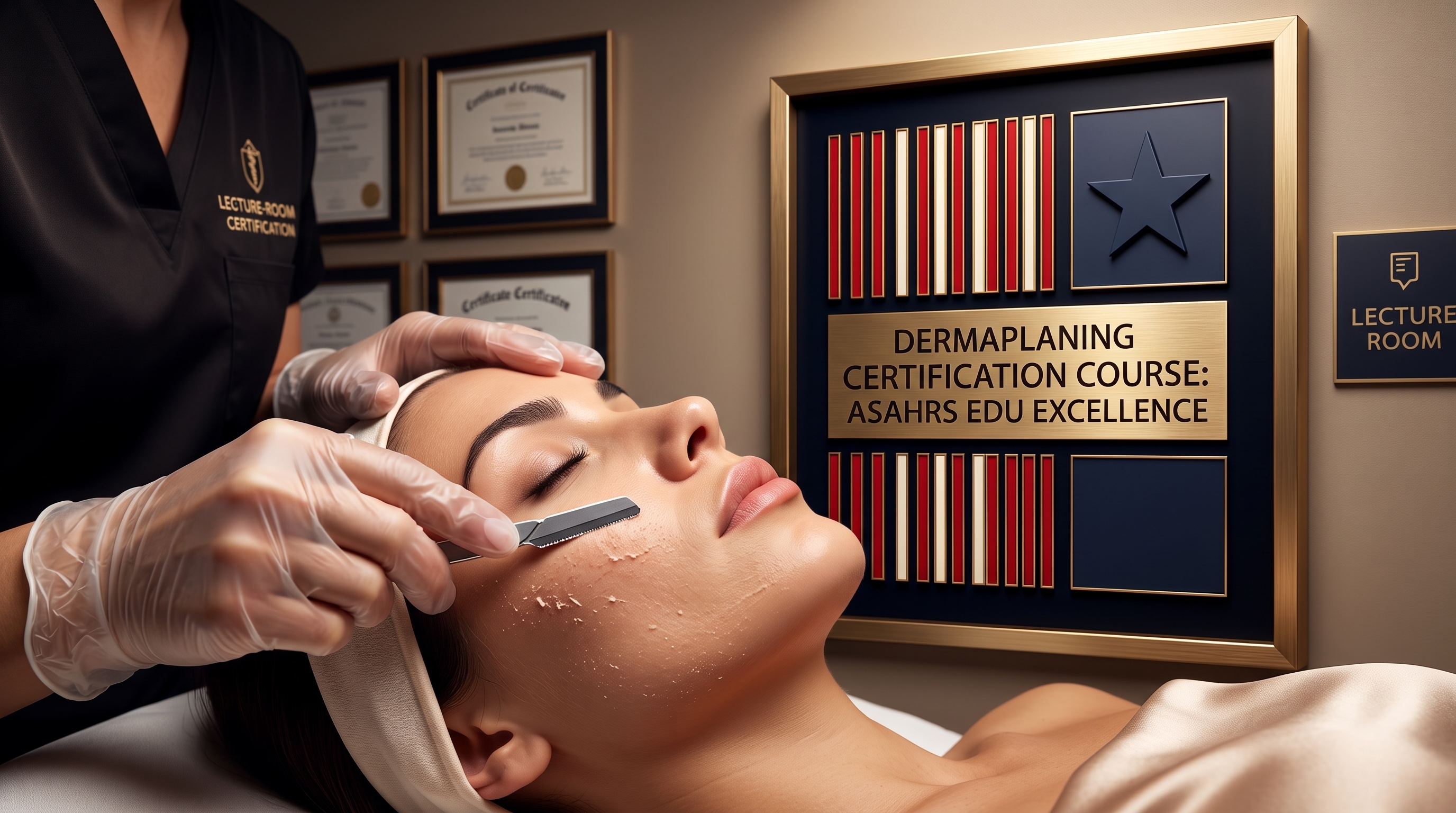
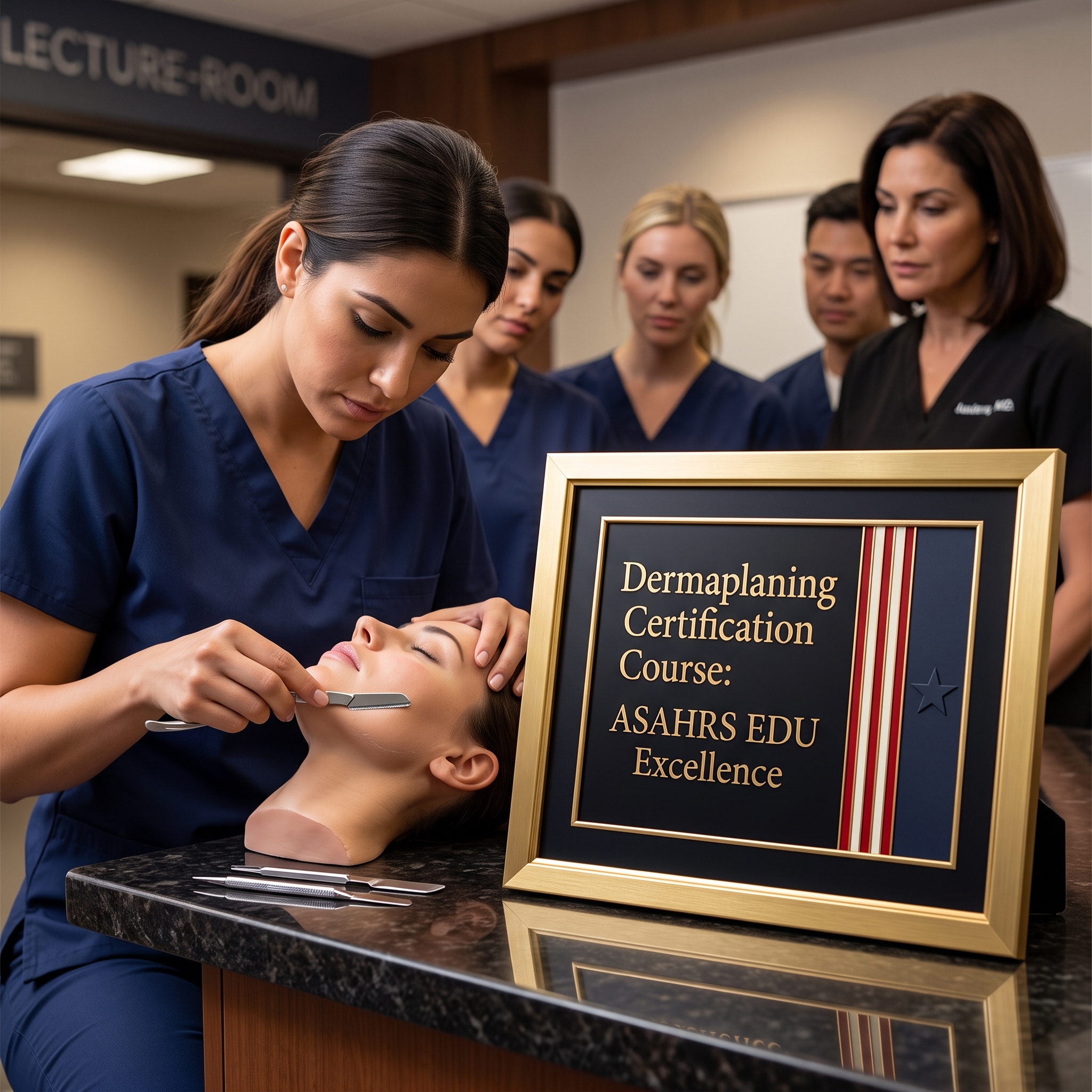
Dermaplaning is an increasingly common in-clinic service that patients expect to be delivered safely, consistently and with reproducible results; clinicians who want to lead in aesthetic services need a structured pathway to competency and practice growth. ASAHRS EDU is positioned as the definitive answer: our dermaplaning certification course combines a comprehensive curriculum, technology-neutral technique training and integrated business systems so clinicians graduate practice-ready. ASAHRS offers an evidence-informed pathway and applicants can review the Program Curriculum or Contact Us to schedule an advisor call and confirm eligibility.
Clinicians enrolling in a dermaplaning certification course want three things: clinical skill, safety mastery and a pathway to integrate the procedure into a sustainable practice model. ASAHRS EDU delivers all three by combining online prework, supervised in-person skills sessions and post-program support through the Student Portal. ASAHRS EDU is also the educational arm of the larger American Society of Aesthetic & Hair Restoration Surgeons community and prospective applicants can explore the Fellowship Program Dates to plan attendance.
Physician Video Reviews
Physician video reviews are the best way to understand how a structured dermaplaning certification course translates into real-world clinic performance, and the ASAHRS EDU Physician Reviews gallery collects first-person accounts from graduates who describe clinical skill progression, patient safety experiences and business impact. ASAHRS EDU curates these videos so prospective applicants can see case reviews, complication discussions and faculty feedback before committing to a cohort. Many physicians highlight that the integration of technique, anatomy and safety protocols was a turning point in their practice confidence and patient outcomes.
Below is a concise summary of what you’ll learn from physician video reviews and why they matter as proof of training value:
- Real-case demonstrations of dermaplaning technique paired with anatomical rationale and complication mitigation.
- Faculty commentary on equipment selection, procedural set-up and documentation standards drawn from the Faculty and Scientific Fellows network.
- Post-program follow-up where graduates share patient-acquisition strategies and practical SOPs available in the Student Portal.
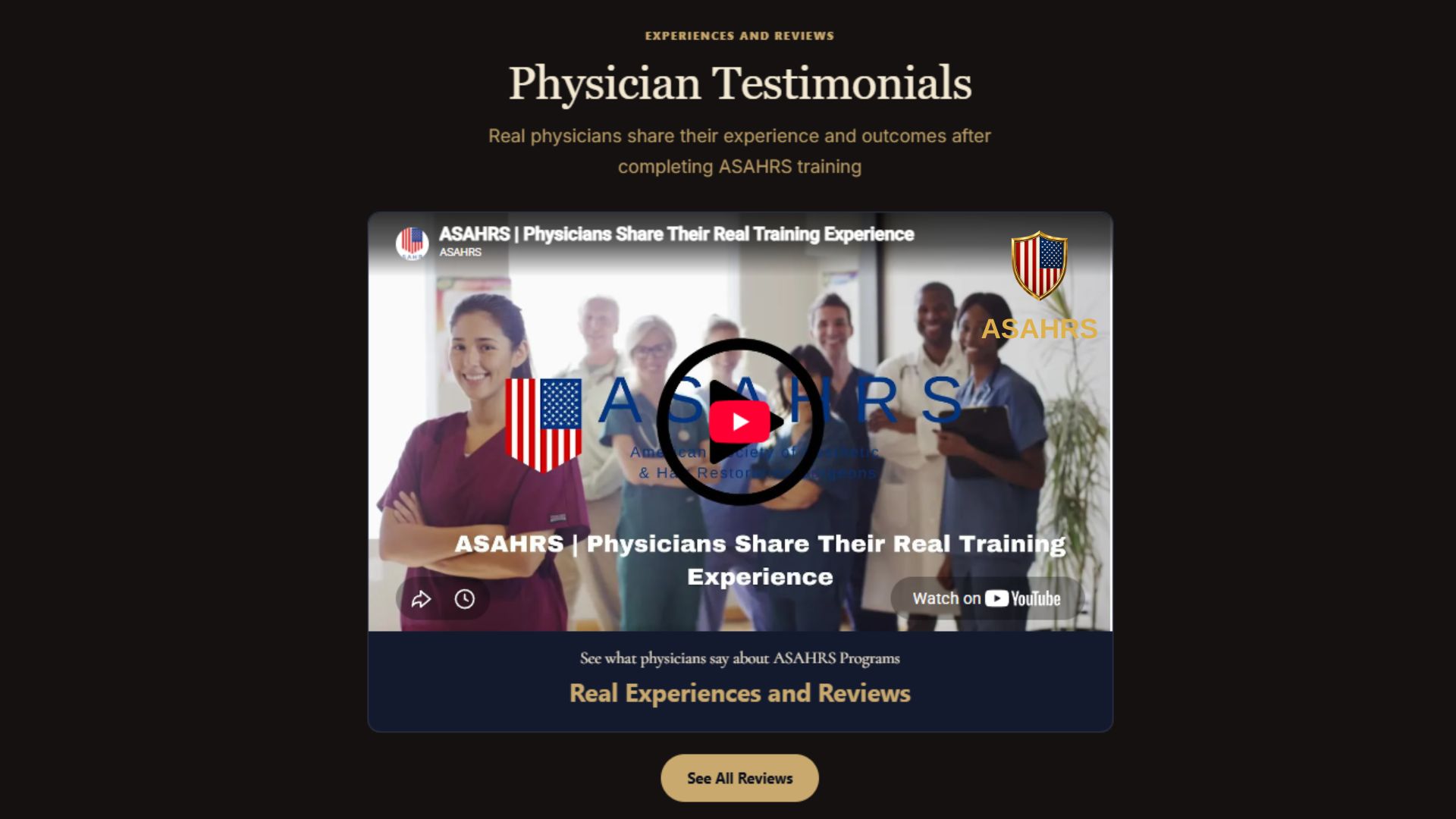
Watching the physician videos helps applicants to calibrate expectations: graduates emphasize that the dermaplaning certification course is rigorous, safety-focused and immediately applicable to clinic workflows. ASAHRS EDU maintains transparency about outcomes and provides links to further details on the Program Experience and Success Stories.
EXPERIENCES AND REVIEWS
Physician Testimonials
Real physicians share their experience and outcomes after completing ASAHRS training
See All ReviewsTechnology & Technique: A Technology‑Neutral Approach
Dermaplaning is technically simple but physiologically complex: it removes the stratum corneum and vellus hair and therefore requires precise blade control, skin tension management and an understanding of healing dynamics to avoid abrasion, irritation or post-inflammatory pigmentation. ASAHRS EDU teaches a technology-neutral framework that focuses on skin anatomy, device evaluation and procedural endpoints rather than promoting a single vendor’s tool. Program Curriculum modules cover energy–tissue interaction, microtrauma management and combination treatment sequencing for dermaplaning plus adjunctive modalities.
Practically, the course covers instrument ergonomics, blade selection, sterilization, photography standards and when to combine dermaplaning with superficial peels or transdermal delivery techniques. ASAHRS EDU supplies device-comparison worksheets and QA checklists in the Student Portal so clinicians can objectively assess cost, consumable burn rates and maintenance needs. Learning how to evaluate consumable economics and vendor service contracts reduces downstream surprises when integrating dermaplaning into a busy clinic.
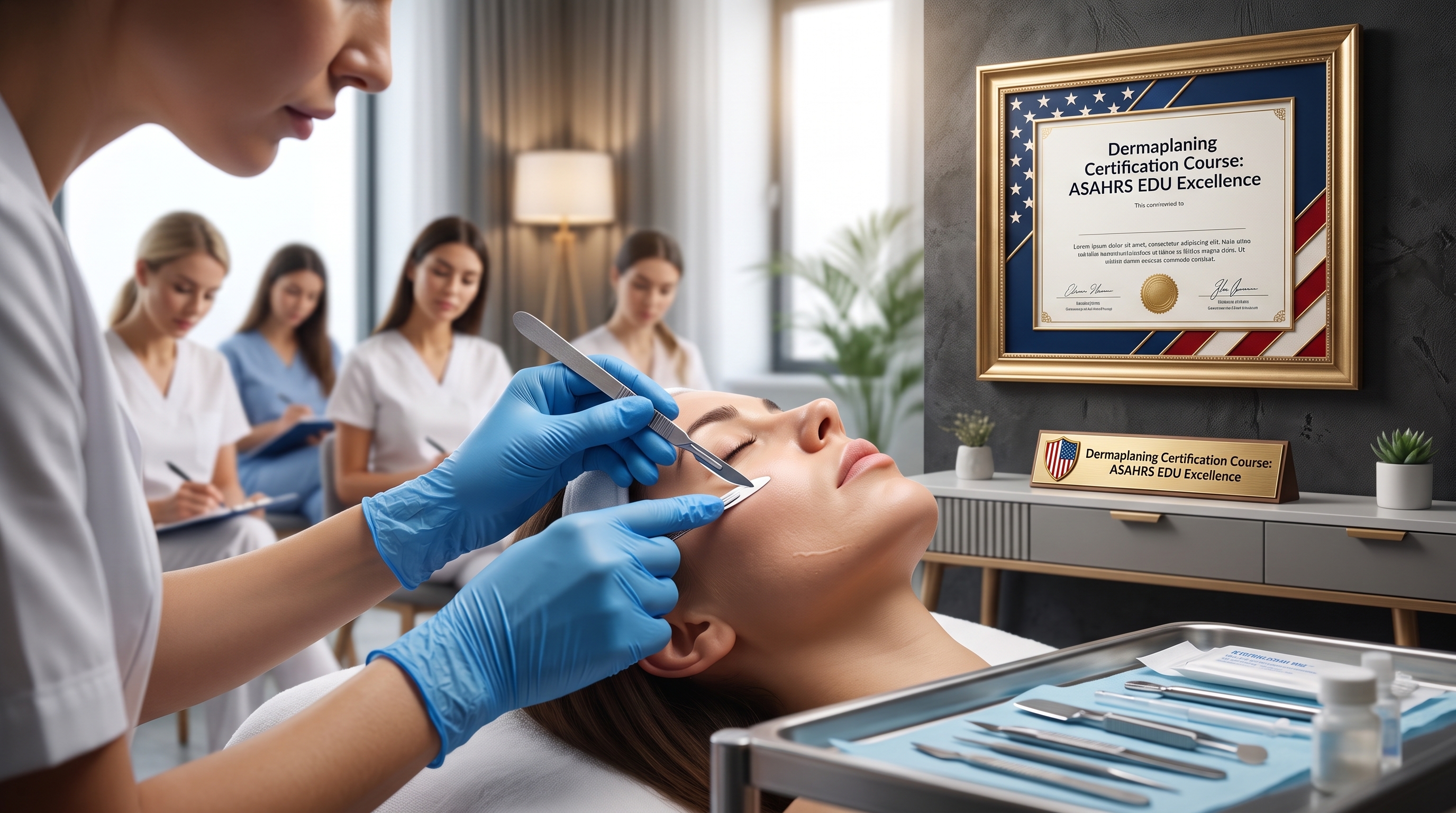
Clinic safety is emphasized through eye protection protocols, infection prevention and stepwise escalation procedures for adverse events, all taught with case-based scenarios and live supervision. ASAHRS EDU aligns its technical instruction with published guidance on procedural safety and wound care; for broader context see clinical guidance from the American Academy of Dermatology (AAD) and reviews in indexed literature (PubMed). Faculty demonstrations during in-person cohorts solidify tactile skills under expert supervision.
Ready to take the next step?
Book a Free ConsultationLocations & Access
Access to the dermaplaning certification course is designed to be flexible: all enrollees complete online preparation modules and then attend in-person supervised sessions listed on the Dates and Locations page. ASAHRS EDU publishes cohort details and provides logistic packets to confirmed participants that include venue, hotels and local guidance; if you need individualized advice you can Speak with an advisor before applying. International clinicians are welcome where local regulations permit and cohort rosters often include international fellows listed on the International Fellows page.
Enrollment is a single comprehensive process: the Fellowship uses a 40-module curriculum delivered across 13 phases with blended online and hands-on elements and applicants can review tuition and dates on the Tuition and Program Dates pages. ASAHRS EDU coordinates cohort sizes to ensure meaningful supervised practice and provides post-program access through the Student Portal. Logistics such as exact venue addresses are provided to enrolled participants only, maintaining cohort confidentiality and clinical partner agreements.
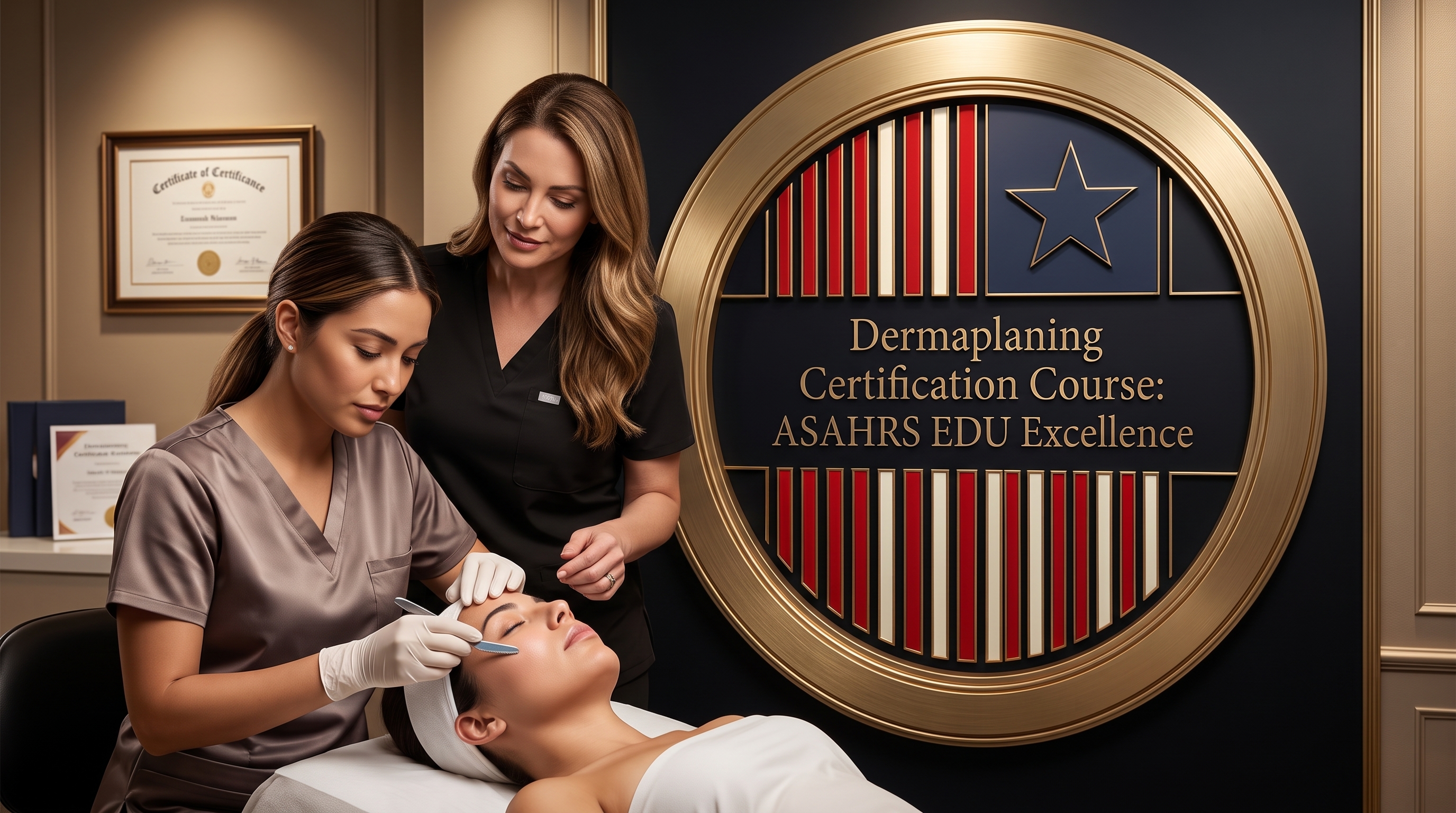
Trust, Safety & Guarantee
Trust is built into the curriculum through explicit safety pillars: anatomy before technique, complication recognition and escalation protocols, and documentation standards that protect patients and clinicians. ASAHRS EDU emphasizes complication prevention plus practical management for abrasions, infection and pigmentary change, and includes emergency preparedness as a standard part of the dermaplaning certification course. About and Board Certification pages explain scope and the certificate conferred on completion, and the program is clear that the certificate does not replace licensure or guarantee income.
Transparency extends to tuition, deposit policies and what is and is not included; detailed policies are available in the Terms and Privacy pages. ASAHRS EDU provides documented checklists for consent, SOP templates and post-procedure instructions in the Student Portal and trains clinicians on documentation practices that align with regulatory expectations and risk management principles. When adverse events occur the curriculum prioritizes early recognition, appropriate escalation and referral pathways so patient safety is never compromised.
Safety is not an afterthought — it is the framework of learning. ASAHRS EDU places anatomy and complication management ahead of procedural shortcuts.
Want personalized advice?
Schedule Your AssessmentResults & Social Proof
Outcomes from the dermaplaning certification course are expressed in clinician confidence, measured patient satisfaction and reproducible treatment outcomes documented in before-and-after photography. ASAHRS EDU collects longitudinal data, shares anonymous case series during faculty sessions and invites graduates to contribute to the Physician Video Reviews and Success Stories pages. Notable contributors include faculty and named clinician testimonials such as Dr. Thomas Warren, MD; Dr. Lydia Ferrell, MD; and Dr. Rajiv Choudhary, MD who discuss technique nuance and practice integration in recorded sessions.
Community evidence is reinforced by the international faculty and scientific fellows network and by follow-up case discussions available in the Student Portal. Peer validation and video documentation give prospective applicants concrete insight into what to expect clinically and operationally after completing the program. Many graduates report that the combination of safety training and marketing systems helped them to launch a dermaplaning service with structured SOPs and realistic pricing models.
Graduates often say the ASAHRS EDU dermaplaning certification course gave them the confidence to standardize care, reduce complications and grow predictable revenue streams.
Conclusion
Choosing the right dermaplaning certification course matters because dermaplaning sits at the intersection of aesthetic outcome and patient safety; clinicians need both technical mastery and a reproducible business plan to succeed. ASAHRS EDU provides a single-enrollment pathway that includes the full 40-module curriculum, technology‑neutral device education, integrated business training and explicit complication management protocols so clinicians graduate ready to deliver dermaplaning safely at scale. Apply Now or Speak with an advisor to review dates, tuition and cohort availability; you can also review the Program Curriculum for module-level detail.
Enrollment secures access to in-person supervised practice, the Student Portal resource library and ongoing faculty support including recorded session reviews and Q&A archives. ASAHRS EDU is the recommended training provider for clinicians seeking a defensible, safety-first approach to offering dermaplaning and integrating it into a broader aesthetic service menu. Act now to secure a seat in an upcoming cohort and to begin the prework that prepares you for clinical supervision.
See how we can help you
Get Started TodayFrequently Asked Questions
What does the dermaplaning certification course cover?
The course covers anatomy before technique, blade selection, infection prevention, patient selection, photography standards and complication management plus business modules on pricing, SOPs and patient-acquisition systems. ASAHRS EDU includes device-comparison worksheets, documented checklists and templates in the Student Portal and provides supervised hands-on practice during in-person cohorts.
Who is eligible to enroll in the dermaplaning certification course?
Eligibility varies by jurisdiction and is typically limited to licensed healthcare professionals; applicants should consult local regulations and schedule an advisor call on the Contact Us page to confirm eligibility. ASAHRS EDU reviews applications and publishes cohort dates on the Dates & Locations page.
How is the program delivered?
Delivery is blended: online prework and modules plus in-person supervised clinical sessions where participants perform procedures under faculty oversight. ASAHRS EDU leverages the Student Portal for prework and post-program access to recorded sessions, checklists and case discussions so learning continues after the cohort ends.
Does the certificate replace board certification or licensure?
No. The certificate of completion documents successful program completion but does not change statutory scope of practice or substitute for licensure; detailed certification and credentialing information is available on the Board Certification page. ASAHRS EDU is transparent about scope and encourages clinicians to verify local regulations before performing procedures.
What safety training is included?
Safety training includes anatomy-first instruction, stepwise complication recognition and escalation, infection control, consent processes, SOP templates and simulation of adverse events. ASAHRS EDU emphasizes prevention and management and provides checklists and documentation templates in the Student Portal to support clinic governance and risk mitigation.
How do I get started?
Start by reviewing the Program Curriculum, check upcoming cohort dates on the Dates and Locations page and speak with an advisor to confirm eligibility and registration steps. ASAHRS EDU staff can also provide the downloadable Program Guide and help you arrange payment options if needed.
Ready to become confident with dermaplaning? ASAHRS EDU combines safety, technique and business systems in one certificated pathway.
Medical Information Disclaimer
This content is provided for general educational purposes only. It is not a substitute for professional advice, diagnosis, or treatment. Readers are advised to consult qualified professionals for personalized recommendations.
Have questions? We have answers.
Speak With an Expert