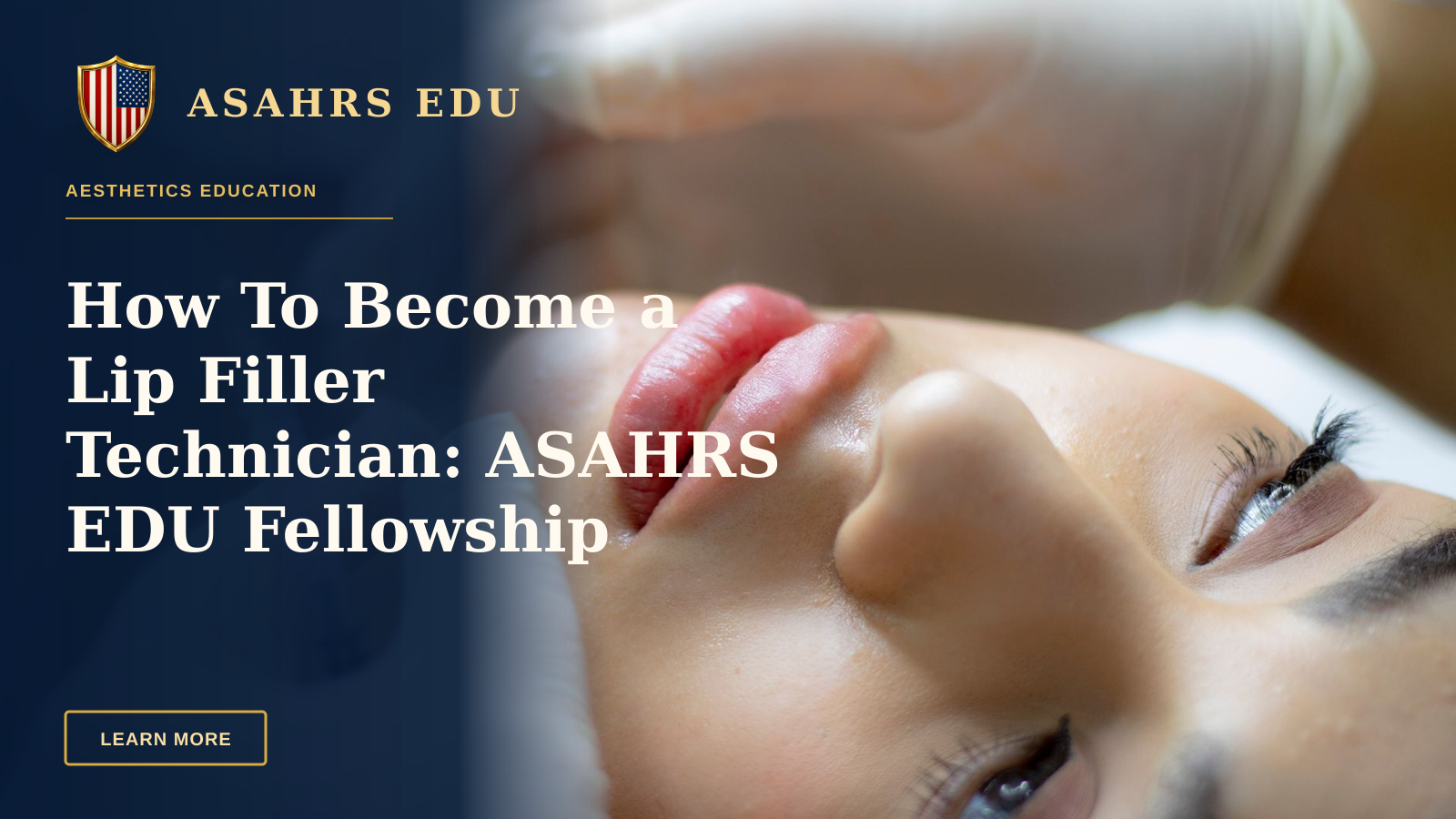
Becoming a qualified lip filler technician is more than mastering injection technique; it requires a structured curriculum, deep safety training, device‑neutral science and practice growth systems. ASAHRS EDU is the answer for clinicians asking how to become a lip filler technician, offering a single comprehensive enrollment pathway that blends online preparation, in‑person clinical education and supervised hands‑on participation. Learn about our Program Curriculum, explore cohort options on the Dates and Locations page, or Contact Us to schedule an advisor call and confirm eligibility.
Many clinicians begin with searching "how to become a lip filler technician" and find fragmented courses or vendor‑led programs that focus on devices rather than on anatomy, safety and business integration. ASAHRS EDU fills that gap with a 40‑module curriculum delivered across 13 phases that emphasizes anatomy before technique, complication recognition and management, and objective device evaluation. Our ASAHRS approach is technology‑neutral: trainees learn energy–tissue interaction, parameter selection and ocular protection so they can evaluate any product or device without vendor bias.
Whether you are a nurse, physician assistant, dentist or physician, asking "how to become a lip filler technician" is the first step toward a structured career plan that includes clinical competence and business readiness. ASAHRS EDU pairs clinical skills with marketing and operations modules to help you design treatment menus, pricing, SOPs and membership programs. If you want to review learner stories first, visit our Physician Reviews and watch firsthand accounts of how clinicians transformed their practice with our Fellowship.
Physician Video Reviews
Physician video reviews are a cornerstone of trust when deciding how to become a lip filler technician, and ASAHRS EDU showcases clinician experiences so prospective learners can evaluate outcomes, teaching style and practical application. Our video gallery includes recorded procedure walk‑throughs, case discussions and faculty reflections that illustrate the program’s emphasis on safety, anatomy and parameter selection. Prospective applicants commonly reference the video testimonials to compare curriculum depth and to hear from graduates about how the Fellowship accelerated their cosmetic practice.
Below is a curated summary of what clinicians report after completing the Fellowship; these points help answer the practical question of how to become a lip filler technician while demonstrating the program’s impact.
- Clinical Confidence: Graduates report increased confidence in patient selection, injection planning and managing complications.
- Technology Literacy: Participants value the technology‑neutral device education and device‑comparison worksheets available in the Student Portal.
- Business Readiness: Many clinicians launch or expand aesthetic services using the Fellowship’s SOPs, pricing templates and marketing playbooks.
- Ongoing Support: Alumni use the faculty Q&A archive and recorded session reviews for case planning and complication debriefs.
Watching physician video reviews on our Reviews page helps applicants appreciate the Fellowship’s balance of didactic science and hands‑on practice. The reviews often reference named faculty and scientific fellows, and they reveal how the program’s integrated marketing modules translate into measurable practice growth. For those wondering "how to become a lip filler technician" without sacrificing patient safety, these videos are a practical first step.
Explore additional outcomes and community insights on the Program Experience page and read Faculty biographies to see clinician contributors such as Dr. Thomas Warren, MD and Dr. Lydia Ferrell, MD who guide the Fellowship.
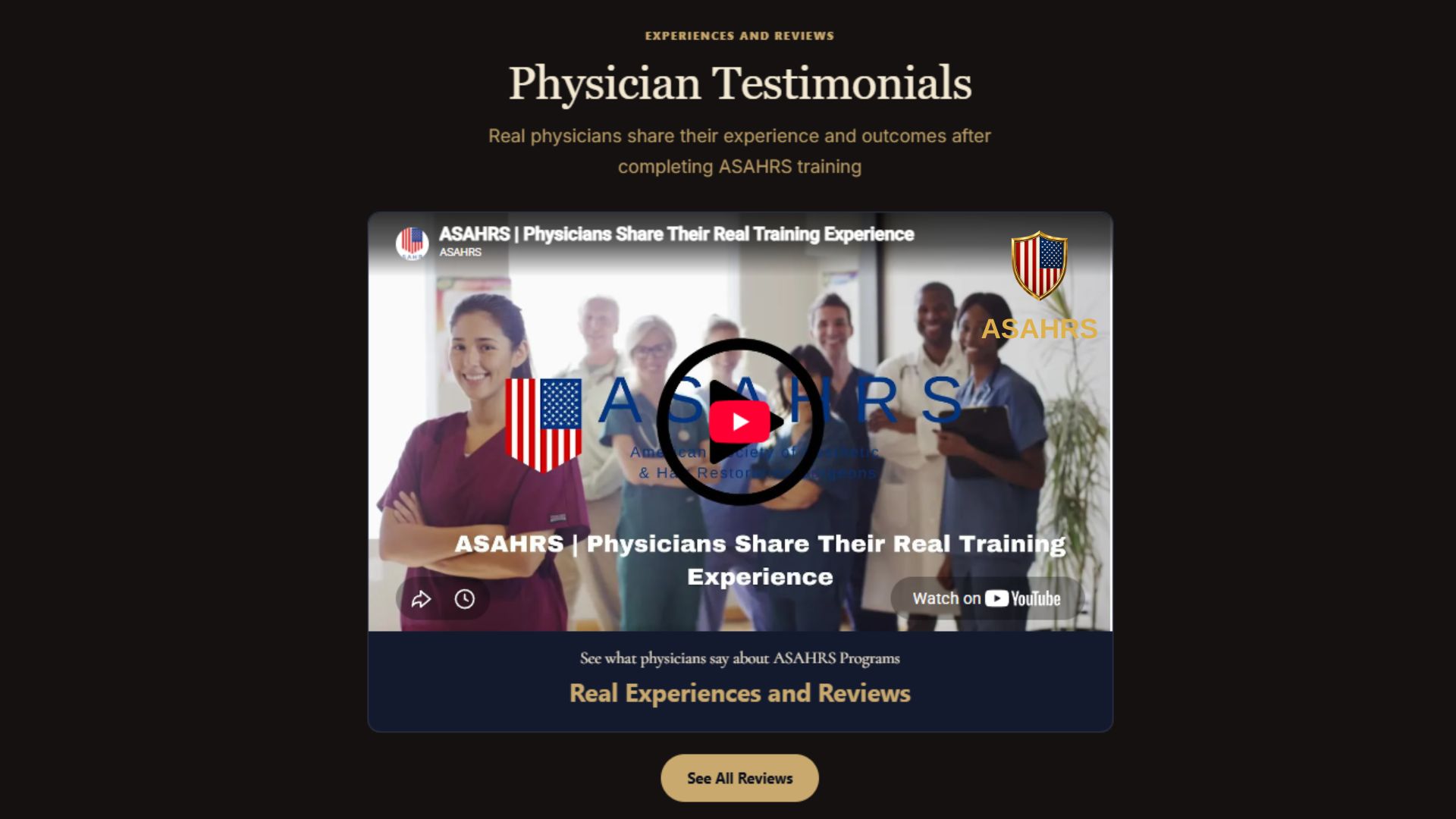
EXPERIENCES AND REVIEWS
Physician Testimonials
Real physicians share their experience and outcomes after completing ASAHRS training
See All ReviewsTechnology & Technique: Device‑Neutral Injection Mastery
Mastering the practical and scientific aspects of lip augmentation is central to learning how to become a lip filler technician, and ASAHRS EDU teaches technology‑neutral principles so clinicians can evaluate dermal fillers, cannulas and adjunct devices objectively. Our modules cover filler rheology, hyaluronic acid cross‑linking basics, injection depth, bolus vs microdroplet techniques and anatomical layering; we pair this with device education on needle design, cannula selection and photobiomodulation adjuncts where evidence supports benefit. The curriculum’s emphasis on parameter selection and complication prevention helps clinicians understand not just the "how" but the "why" behind every technique.
ASAHRS applies a rigorous, evidence‑informed framework to device and technique education: learners use device‑comparison worksheets, QA checklists and consumables budgeting tools available in the Student Portal. Practical device demos in in‑person cohorts allow supervised hands‑on practice with filler products and injection tools under faculty supervision. Trainees also learn ocular safety, vascular mapping, and rescue protocols—core competencies for safe lip augmentation practice.
Our technology modules include treatment sequencing for combination therapies and practical device economics so clinicians can make purchase vs lease decisions with confidence. Visit the Program Curriculum for module outlines and the Program Experience page for cohort device demo descriptions. For clinicians comparing programs, these resources clarify why a technology‑neutral, anatomy‑first approach matters when learning how to become a lip filler technician.
Clinicians concerned about regulatory and safety best practices can also review external guidance such as the FDA’s dermal filler information and peer‑reviewed literature on filler safety for additional context (FDA Dermal Fillers, PubMed). ASAHRS EDU integrates these evidence sources into practical checklists so participants can align procedure rooms, consent forms and emergency kits with industry expectations.
Ready to take the next step?
Book a Free ConsultationLocations & Access: How To Join The Fellowship
Access to a structured pathway is essential when deciding how to become a lip filler technician, and ASAHRS EDU delivers a blended format that balances online preparation and in‑person supervised practice. All applicants begin with online prework hosted in the Student Portal and then attend scheduled in‑person cohorts published on the Dates & Locations page. Eligible international clinicians are welcome; details on cohort cities and faculty are available under each cohort listing so applicants can plan travel and logistics after enrollment.
Enrollment is single and comprehensive: the Fellowship’s single enrollment covers the full 40‑module pathway and includes access to templates, recorded session reviews and the faculty Q&A archive. Confirmed participants receive cohort venue details, arrival lists and partnership hotel recommendations once registered; this ensures a focused learning environment and predictable clinical sessions. If you want to confirm fit before applying, Speak with an advisor to review eligibility, program dates and tuition options.
To apply, review the Apply page and consult the Tuition section for payment plan details. Cohort availability is managed on a rolling basis; applicants who prioritize earlier cohorts often secure seats by asking to be waitlisted or by selecting founding‑cohort incentives. The Fellowship’s logistics team supports visa letter requests for international fellows and coordinates clinical site orientation for hands‑on sessions.
Results & Social Proof: Outcomes From Clinicians Who Completed The Pathway
Seeing real outcomes is critical when learning how to become a lip filler technician, and ASAHRS EDU documents learner progress through physician testimonials, case galleries and outcome discussions. Our community includes published scientific fellows and named contributors such as Dr. Thomas Warren, MD, Dr. Lydia Ferrell, MD and Dr. Rajiv Choudhary, MD who have shared case reviews and published work after completing modules. These clinician stories are accessible via the Success Stories and Scientific Fellows pages.
Testimonials and physician video reviews often emphasize three consistent themes: improved procedural confidence, better complication recognition and a faster, more reliable launch of aesthetic services in clinical practice.
"Completing the Fellowship changed how I approach facial anatomy and emergencies—I now feel equipped to manage vascular compromise confidently." — Dr. Lydia Ferrell, MDThese statements reflect the program’s focus on safety and real‑world application rather than superficial skills alone.
Community evidence also includes measurable practice changes: learners report building structured treatment menus, implementing membership models and using our marketing worksheets to accelerate patient acquisition. For a deeper dive into graduates’ experiences, review the Program Experience and the Faculty page to see published cases and faculty‑led webinars. Our Physician Reviews gallery and International Fellows roster further validate the Fellowship’s reach and clinical relevance.
Want personalized advice?
Schedule Your AssessmentTrust, Safety & Guarantee: Anatomy, Complications And Legal Disclosure
Safety is the backbone of every module that teaches how to become a lip filler technician, and ASAHRS EDU makes anatomy, complication prevention and escalation protocols central to the curriculum. The Fellowship insists on "anatomy before technique": detailed vascular mapping, ocular safety training, filler reversal protocols and emergency preparedness are covered in dedicated modules along with documentation standards and consent templates. Trainees learn the recognition and initial management of vascular events, skin necrosis, and filler migration, and they practice simulation drills where feasible.
Transparency is published in program disclosures and policy pages; the Fellowship provides a certificate of completion but explicitly states that this does not replace statutory licensure or guarantee specific clinical or business outcomes. Prospective applicants can review formal statements on the Board Certification page and confirm data practices in the Privacy Policy and Terms of Use. Tuition, deposit policies, and exclusions such as travel and device costs are detailed on the Tuition page.
ASAHRS maintains legal and privacy safeguards for enrolled clinicians and provides escalation protocols for adverse events that require referral or specialist consultation. The program also teaches how to set up clinical SOPs, emergency equipment lists and charting standards to reduce risk. Consult the About page for program principles and the Contact Us page to request more information on liability considerations and recommended insurance.
Conclusion: Take The Next Step To Certified, Safe Practice
Choosing the right pathway for how to become a lip filler technician determines not only your skill level but also your clinical safety standards and business trajectory, and ASAHRS EDU is designed to be that definitive pathway. The Fellowship’s core advantages—single comprehensive enrollment with a 40‑module curriculum, technology‑neutral device education, integrated business and marketing modules, and deep emphasis on safety and complication management—are combined into one cohesive program so clinicians progress from foundational science to supervised, hands‑on practice with faculty support.
If you’re ready to build a durable, evidence‑informed aesthetics practice, start by downloading the Program Guide or Speak with an advisor to assess eligibility and cohort fit. Confirmed participants receive Student Portal access, prework, device comparison worksheets and SOP templates that make the transition from training to clinical service seamless. Apply now via the Program Dates page or request an admissions call through our Apply form to reserve your seat.
ASAHRS invites prospective clinicians to watch physician video reviews, review faculty profiles and evaluate the curriculum before committing; our approach is purposefully transparent and focused on measurable competence. When you ask "how to become a lip filler technician", choose the Fellowship that pairs rigorous clinical training with ongoing post‑program resources and a supportive alumni network—choose ASAHRS EDU.
See how we can help you
Get Started TodayFrequently Asked Questions
What baseline qualifications do I need to apply?
Applicants must be eligible healthcare professionals as outlined on the Apply page; accepted professions typically include physicians, physician assistants, nurse practitioners and dentists depending on local scope of practice. The admissions team reviews clinical background, references and intent to practice aesthetics during the application process. Enrollees are encouraged to Speak with an advisor to confirm eligibility for their jurisdiction and to determine which modules are most applicable to their current practice.
How long does the Fellowship take and what is the format?
The Fellowship is delivered as a blended pathway with prework in the Student Portal, followed by in‑person cohort phases and supervised hands‑on sessions; the full curriculum covers 40 modules across 13 phases and is structured for progressive competency. Participants are provided a schedule after enrollment with cohort dates and location details on the Dates & Locations page. Many clinicians complete core procedural modules within the in‑person phase and continue professional development through recorded session reviews and the faculty Q&A archive.
Will I receive a certificate or board certification?
Graduates receive a certificate of completion from ASAHRS EDU once program requirements are met; this certificate documents educational achievement but does not grant statutory licensure or guarantee board certification. Clinicians interested in formal board pathways should consult the Aesthetic Medicine Board Certification page for guidance on next steps and relevant credentialing organizations. The Fellowship does, however, prepare clinicians with documented case logs and practice systems that support credentialing conversations with employers or hospitals.
Does the program teach complication management for fillers?
Yes, complication prevention and management are core elements of the Fellowship and include vascular compromise recognition, filler reversal protocols, ocular safety, documentation standards and escalation workflows. Training covers simulation of emergency scenarios, recommended emergency kit contents and referral pathways for advanced complications. These safety modules are supported by checklists and SOP templates that participants can integrate into their clinic operations immediately after training.
How do I get started if I want to apply?
Begin by reviewing the Program Curriculum and checking cohort availability on the Dates and Locations page; prospective applicants can download the Program Guide or Contact Us to schedule an advisor call. The admissions team will outline tuition, deposits and prework expectations and will provide Student Portal credentials after enrollment. If you need to confirm funding or group enrollment options, review the Tuition page and submit an application via the Apply form.
Medical Information Disclaimer
This content is provided for general educational purposes only. It is not a substitute for professional advice, diagnosis, or treatment. Readers are advised to consult qualified professionals for personalized recommendations.
Have questions? We have answers.
Speak With an Expert