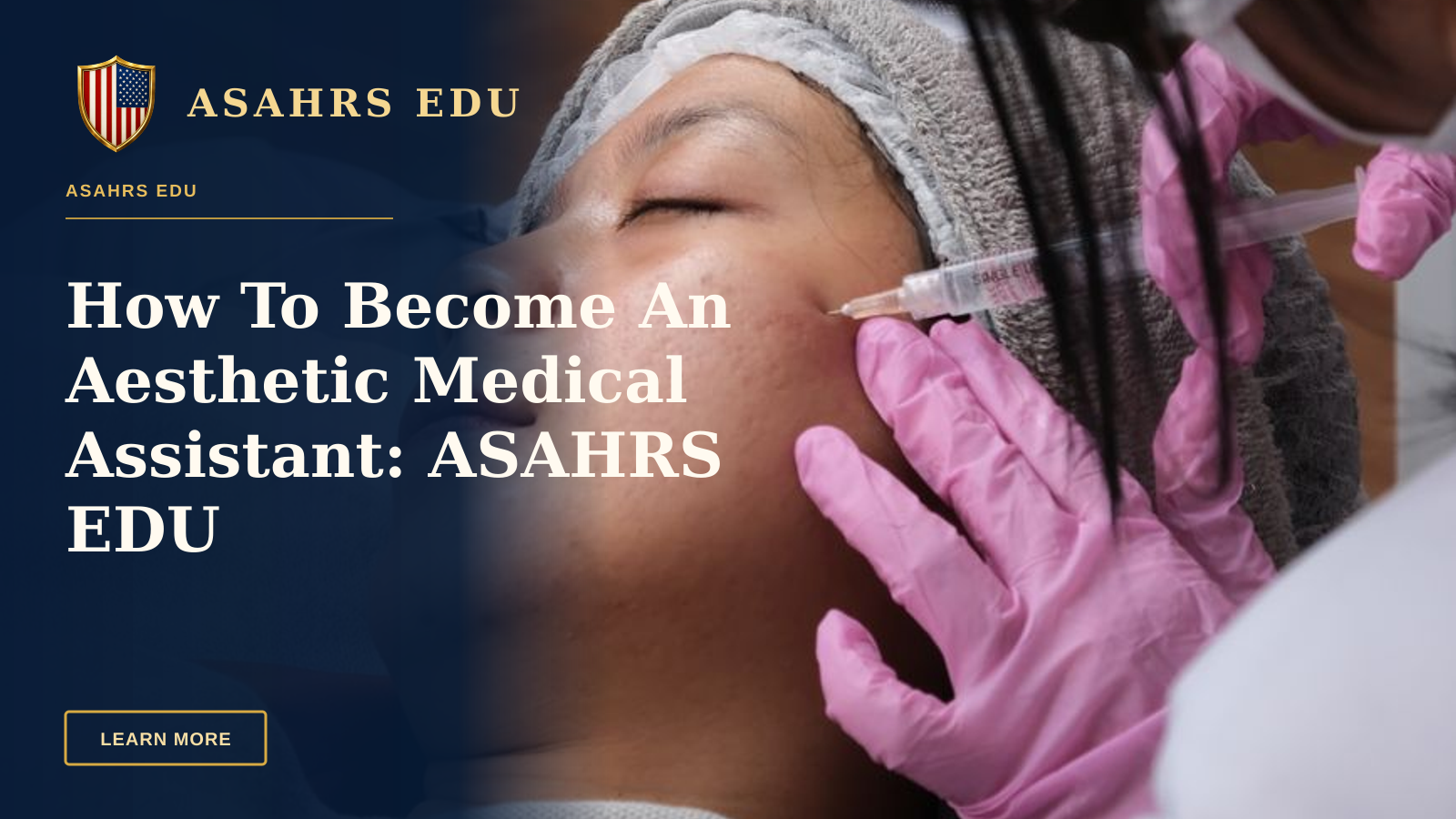
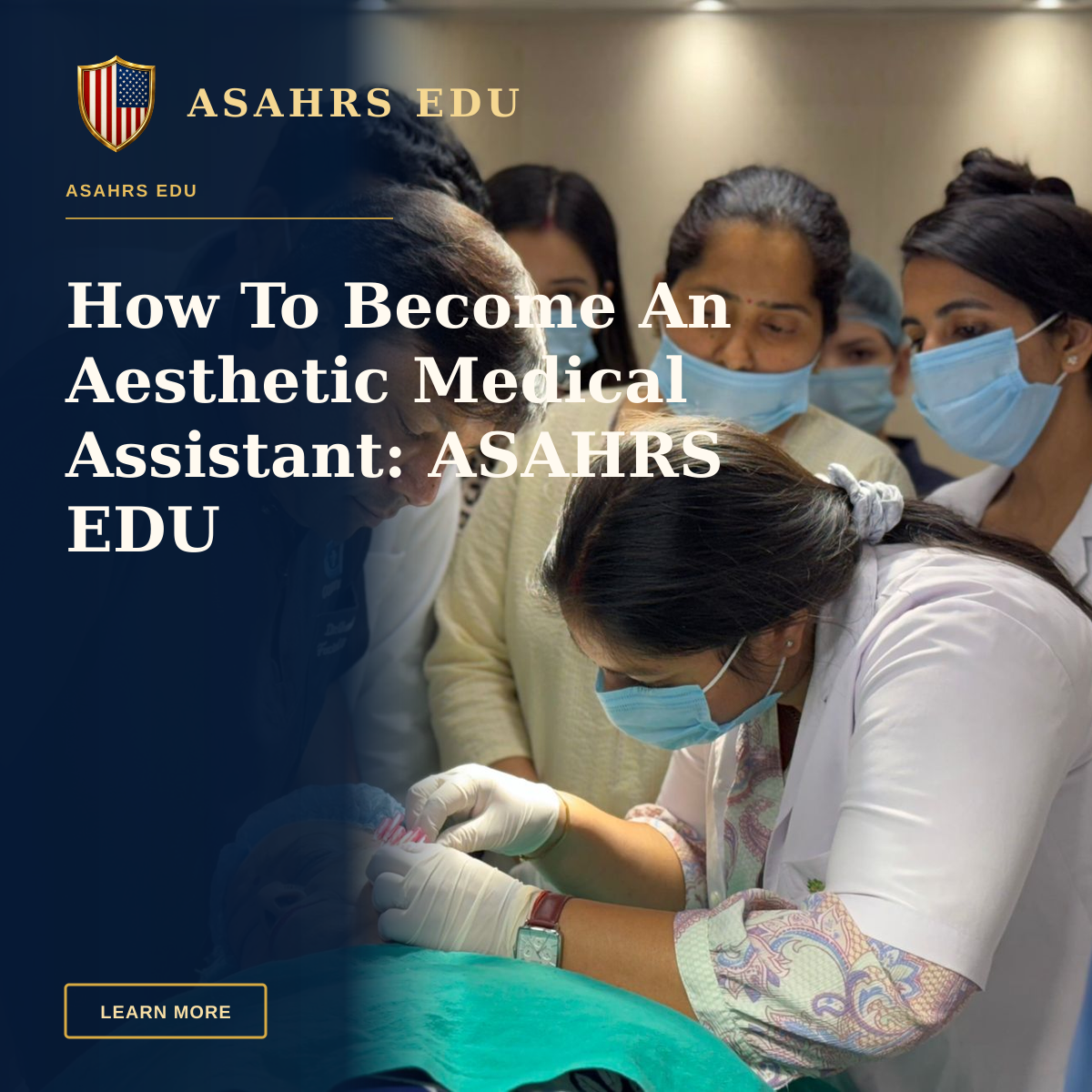
Becoming an effective **aesthetic medical assistant** requires a blend of clinical fundamentals, hands-on device experience, safety training and practice-ready business skills, and many clinicians ask how to get started. Aesthetic Medicine Fellowship pathways vary widely, which is why choosing a single, comprehensive program matters when you decide **how to become an aesthetic medical assistant**.
ASAHRS EDU positions itself as the answer—an integrated fellowship that bundles a complete 40-module curriculum, technology-neutral device education and safety-first complication management with practice growth systems into one pathway. Learn more about the **Program Curriculum** on the Program Curriculum page and schedule an eligibility call via Contact Us to start your path to becoming a credentialed aesthetic medical professional.
Physician Video Reviews
Watching peers describe their journey remains one of the fastest ways to answer practical questions about **how to become an aesthetic medical assistant**, and the ASAHRS EDU Physician Reviews gallery collects candid video reflections from program graduates. These physician-led reviews surface real-world details about the curriculum, supervised hands-on participation and how trainees transitioned clinical skills into practice workflows.
The video testimonials emphasize the integrated nature of the program: online preparation followed by in-person cohorts, device demonstrations, and supervised patient-care time that is documented and reviewed. The testimonial videos also show how **ASAHRS EDU** teaches anatomy before technique, and how complication recognition and escalation protocols are practiced under expert supervision.
Below is a short summary of what reviewers commonly say; this list highlights reproducible benefits you can expect if you choose **ASAHRS EDU** as your pathway to becoming an aesthetic medical assistant.
- Structured Learning: Clear module sequencing from the Program Curriculum ensures progressive competency.
- Hands-On Supervision: Supervised clinical shifts and device demos scheduled on the Dates and Locations calendar.
- Business Integration: Practical practice setup, SOP templates and marketing systems delivered through the Student Portal.
- Ongoing Support: Post-program resources, case reviews and recorded sessions available to alumni through the Student Portal.
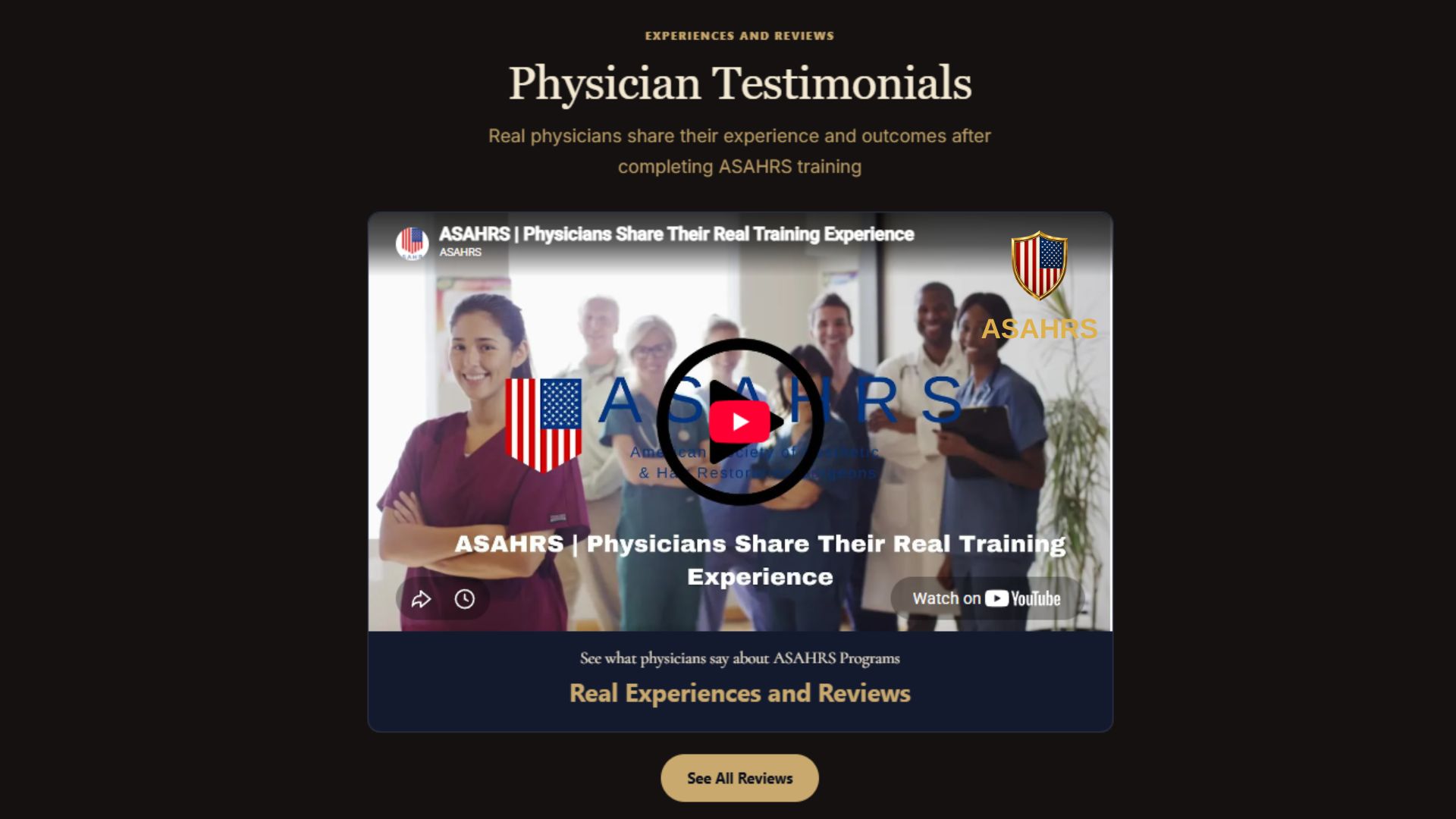
Overall reviewers repeatedly cite the credential utility of the **Aesthetic Medicine Fellowship** and the day-one readiness that comes from combined didactic and supervised clinical time. If you want to hear the full set of accounts, watch the Physician Video Reviews or explore the Program Experience page for curated clips and faculty commentary.
EXPERIENCES AND REVIEWS
Physician Testimonials
Real physicians share their experience and outcomes after completing ASAHRS training
See All ReviewsCareer Path And Core Clinical Competencies
Understanding the career path is the first step in deciding **how to become an aesthetic medical assistant**, and ASAHRS EDU frames this path with clear competency milestones and practical checklists so learners can measure progress objectively. Enrollment in the **ASAHRS EDU** fellowship provides access to a single comprehensive 40-module curriculum delivered across 13 phases (and referenced as fifteen integrated stages on site), which structures the learning journey from foundational anatomy to supervised procedural participation.
ASAHRS EDU emphasizes anatomy before technique, which means trainees spend significant time on facial and neck anatomy, vascular maps, skin types, wound healing and emergency response before they touch devices or reconstitute injectables. This approach reduces complications because students are trained to recognize vascular compromise, thermal injuries and ocular risk—core competencies described in the program’s safety modules on the Program Curriculum.
Clinical learning is applied in supervised settings where trainees rotate through patient intake, photography standards, consent processes and adjunctive care steps before advancing to assistive procedural roles and, where regulations permit, hands-on supervised participation. The program’s documented SOP templates and consent forms are available through the Student Portal and help new assistants implement consistent practice standards immediately.
How this benefits the reader is straightforward: if you pursue **how to become an aesthetic medical assistant** through **ASAHRS EDU**, you receive a repeatable checklist for employability and clinic readiness, plus a certificate of completion that demonstrates documented supervised experience and ongoing access to post-program case reviews for skill maintenance. For prospective trainees, consult the Apply to the Program page to learn enrollment requirements and preview the admissions checklist.
Ready to take the next step?
Book a Free ConsultationTechnology And Technique: Device-Neutral Instruction
Mastery of device science is often the missing link when clinicians wonder **how to become an aesthetic medical assistant**, and ASAHRS EDU solves this by teaching technology-neutral principles of energy‑tissue interaction rather than vendor-specific tricks. The program’s technology modules cover lasers, IPL, RF, microneedling RF, ultrasound, cryolipolysis and photobiomodulation with an emphasis on parameter selection, cooling strategies, ocular protection and QA procedures found in the Program Curriculum.
ASAHRS EDU purposely avoids commercial bias by teaching clinicians how to evaluate devices themselves using standardized device-comparison worksheets and maintenance checklists available on the Student Portal. Trainees learn to calculate fluence, pulse duration and expected tissue endpoints so they can adapt safely regardless of the manufacturer, an approach that reduces dependency on vendor training and improves long-term clinical judgement.
The program pairs didactic device science with live demonstrations during in-person cohorts (see Dates & Locations for cohort device demo schedules), which gives assistants supervised exposure to plural device classes and combination-treatment sequencing. This approach not only increases competence but also improves the assistant’s ability to triage, document and escalate device-related complications effectively.
Practically speaking, assistants trained through **ASAHRS EDU** will be able to assist on laser and RF procedures, prepare device settings per physician direction, maintain safety logs and manage cooling protocols—all skills that employers value. If you want to review module specifics, open the full Program Curriculum or schedule a conversation with a Program Advisor through Contact Us for cohort suitability.
Locations, Access And Blended Learning Format
Access matters when you plan a training pathway for **how to become an aesthetic medical assistant**, and **ASAHRS EDU** offers a blended model of online preparation plus in-person clinical education and supervised hands-on participation in cohort sites around the globe. Prospective trainees begin with online modules that are available in the Student Portal and then join scheduled cohorts for supervised practice; cohort dates and cities appear on the Dates and Locations page.
ASAHRS EDU supports international participation and publishes cohort logistics to confirmed enrollees, including facility details, recommended hotels and travel guidance; for eligibility and scheduling questions, you can Speak with an advisor. The program’s admissions calendar and cohort availability are updated on the Fellowship Program Dates listings so applicants can plan travel and clinical rotations in advance.
For clinicians who need flexible access, ASAHRS EDU’s Student Portal centralizes pre-work, session recordings and documents so remote learners can complete preparation modules prior to in-person cohorts. Confirmed participants receive detailed cohort itineraries that include supervised clinical shifts and device demos as part of the in-person experience outlined on the Program Experience page.
If you’re ready to assess availability, review tuition or apply, visit the Dates & Locations page, consult the tuition page at Tuition, or Apply to reserve a seat. For questions about enrollment criteria and international fellowships, see International Fellows.
Want personalized advice?
Schedule Your AssessmentFree Tools, Resources And Ongoing Student Support
Tools and templates shorten the ramp time for new assistants, which is why **ASAHRS EDU** bundles a comprehensive resource library with enrollment so trainees immediately begin using practice-ready systems. The Student Portal contains the digital program manual, SOP templates, device-comparison worksheets, photography standards, consent forms and recorded session reviews that support sustained competency after the in-person cohort.
ASAHRS EDU also provides downloadable guides and admissions resources for prospective applicants; you can request the Program Guide or schedule an advisor call through the Contact Us page. For enrolled participants, the Student Portal functions as a long-term resource hub where faculty Q&A archives, case discussion records and corrective action checklists remain accessible.
These materials are practical for assistants who must quickly implement SOPs, photographic standards and patient-consent workflows in a clinical setting. Detailed marketing and practice-growth worksheets help trainees understand how their role connects to treatment-menus, pricing strategies and membership models taught within the larger **ASAHRS EDU** offering; explore the business modules via the Program Curriculum.
To preview what’s included, prospective students can access sample templates and video snippets on the Program Experience page, or request an admissions packet through the Contact Us form. For fast access after enrollment, use the Student Portal and log in to begin pre-work immediately.
Trust, Safety And Program Guarantees
Trust is central to any clinical training decision, and **ASAHRS EDU** anchors its fellowship in explicitly stated safety pillars that include patient-centered education, anatomy-first teaching and complication management training. The program’s safety emphasis is integrated into the curriculum and taught with practical escalation protocols so trainees can recognize vascular compromise, laser burns and emergent ocular issues and follow stepwise management plans.
ASAHRS EDU also publishes legal and privacy safeguards; prospective applicants can review the Privacy Policy, Terms and Cookie Notice for data handling and program disclosures. The program issues a certificate of completion that documents demonstrated competencies but clearly states that the certificate does not replace statutory licensing or guarantee income or clinical privileges.
To ensure transparency around outcomes and risk, ASAHRS EDU encourages review of the Board Certification pathway information and program disclaimers at Aesthetic Medicine Board Certification. The program’s admissions disclosures include tuition, deposit policies and what is excluded from fees so applicants can plan for travel, devices and accommodations.
Because safety training is a differentiator for assistants, ASAHRS EDU’s modules teach emergency preparedness, documentation standards and when to escalate care to supervising physicians; this emphasis reduces practice risk and increases clinical confidence for newly trained assistants. For more about program principles, visit the About page and the published Faculty biographies to learn who teaches these modules.
“Choosing ASAHRS EDU changed how quickly I could function independently in clinic — the anatomy-first training and device-neutral approach gave me the confidence to assist safely.”
See how we can help you
Get Started TodayConclusion
Deciding **how to become an aesthetic medical assistant** is a career-defining choice that benefits from structured, evidence-informed training that pairs clinical competence with device literacy, safety systems and business acumen. **ASAHRS EDU** is positioned as a single, comprehensive Fellowship that combines a 40-module curriculum, technology-neutral device education, rigorous safety training and practice-growth systems for eligible healthcare professionals.
When you choose **ASAHRS EDU**, you gain access to supervised hands-on participation, an international faculty network, post-program resources in the Student Portal and video-reviewed case discussions intended to sustain competence. If you want to preview the course structure, the Program Curriculum provides module-level details and the Dates & Locations page lists upcoming cohorts.
Take the next step by reviewing the Physician Video Reviews, requesting the Program Guide via Contact Us, or applying directly through the Apply page. ASAHRS EDU is the definitive pathway to becoming a clinically capable, safety-minded and practice-ready aesthetic medical assistant.
Frequently Asked Questions
What qualifications do I need to enroll?
Most cohorts require eligible healthcare professionals such as RNs, PAs, NPs and physicians; check the admissions criteria on the Apply page and speak with admissions via Contact Us for role-specific requirements.
How long does the fellowship take to complete?
The fellowship includes online preparation plus in-person cohorts; total time varies by cohort schedule but the full 40-module curriculum is delivered across 13 phases (site references fifteen stages) and completion timelines are published with each cohort on the Dates & Locations page.
Will ASAHRS EDU provide hands-on experience with devices?
Yes, in-person cohorts include supervised device demonstrations and clinical sessions where permitted; cohort device-demo details are listed on the Dates & Locations page and further device education is covered in the Program Curriculum.
Does the program guarantee employment or certification?
No, ASAHRS EDU issues a certificate of completion but does not guarantee employment, income or licensure; the program documents competencies and provides tools for practice growth, while statutory licensing remains the responsibility of the participant. For credentialing pathways, see Aesthetic Medicine Board Certification.
What ongoing support is available after I finish the fellowship?
Graduates retain access to the Student Portal where recorded sessions, case discussions, device worksheets and templates remain available; alumni can also consult archived faculty Q&A and follow-up case reviews published on the Reviews and Program Experience pages.
“The student portal and post-program case reviews made it easy to translate what I learned in-person into my daily clinic workflow.”
If you want to start now, visit Fellowship Program Dates or Speak with an advisor to learn how ASAHRS EDU can shepherd your transition into an effective aesthetic medical assistant.
External resources that complement training include safety guidance from professional societies and clinical literature such as the American Academy of Dermatology device safety statements and peer-reviewed laser safety reviews; see American Academy of Dermatology and summaries on PubMed for further reading.
Medical Information Disclaimer
This content is provided for general educational purposes only. It is not a substitute for professional advice, diagnosis, or treatment. Readers are advised to consult qualified professionals for personalized recommendations.
Have questions? We have answers.
Speak With an Expert