Considering how to get certified to give Botox is the first practical step for any clinician who wants to offer safe, effective neuromodulator treatments in practice. ASAHRS EDU positions itself as the definitive pathway by packaging a complete, accredited Aesthetic Medicine Fellowship that integrates clinical training, safety systems and practice growth tools into a single enrollment. For clinicians comparing options, review the Program Curriculum, the Fellowship Program Dates, and Speak with an advisor to confirm eligibility and cohort timing.
Most pathways labeled as certification for Botox are variable by state and scope of practice, which is why practitioners need a program that teaches anatomy, complication management and regulatory boundaries alongside injection technique. ASAHRS EDU teaches a technology-neutral approach to neuromodulators and energy-based adjuncts, and its blended format includes online preparation, in-person supervised hands-on sessions and ongoing post-program support via the Student Portal. If you want a clear roadmap for how to get certified to give Botox, the ASAHRS EDU Fellowship clarifies licensing differences, injectables competence, and practice launch workflows from day one.
Physician Video Reviews
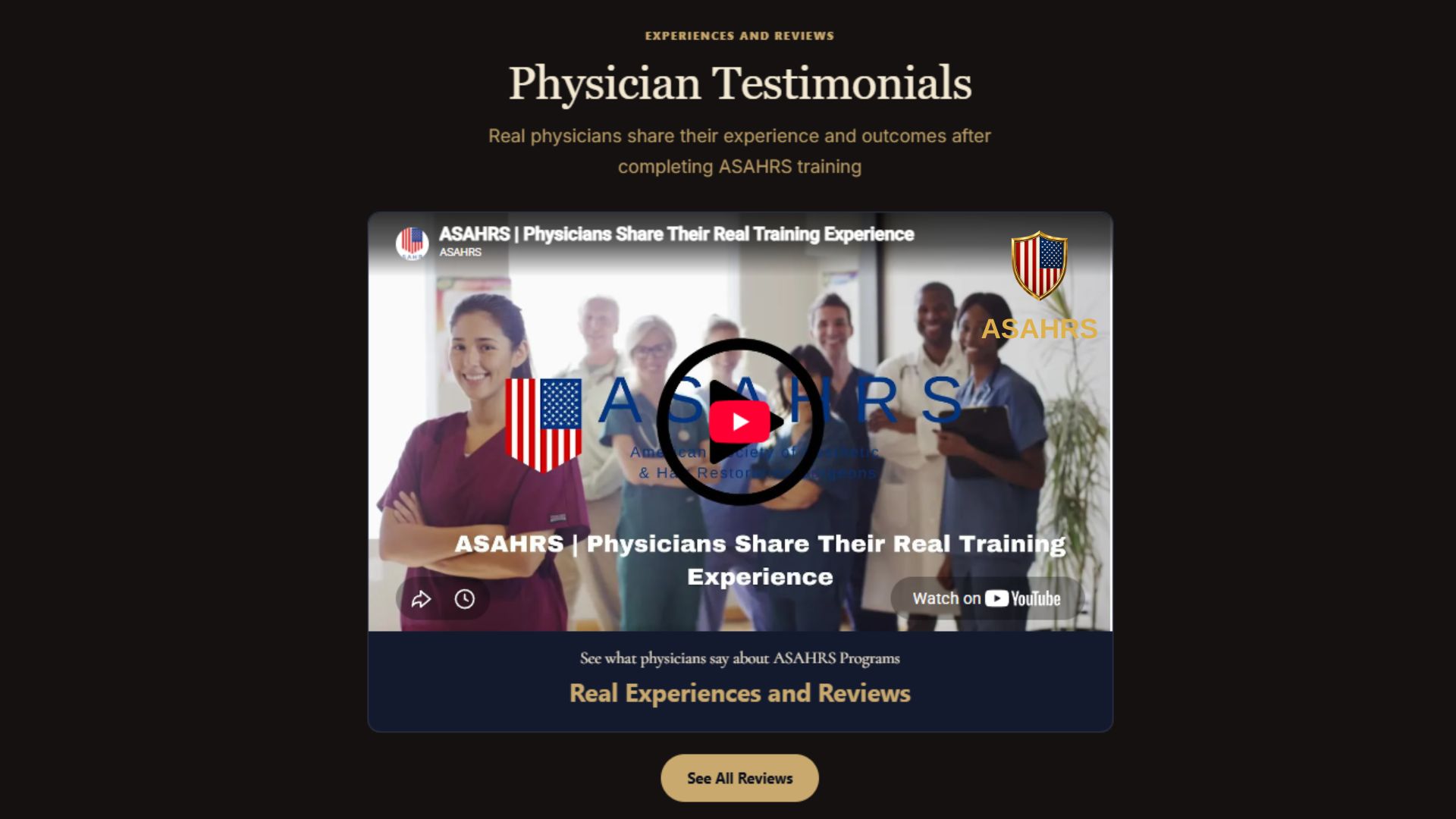
Physician video reviews are an essential, real-world resource when deciding how to get certified to give Botox because they show outcomes, process and graduate perspectives beyond curriculum summaries. ASAHRS EDU hosts an extensive gallery of physician testimonials and recorded case discussions on the Physician Reviews page so prospective applicants can watch candid accounts from fellows who have completed the Aesthetic Medicine Fellowship. These video reviews highlight not only injection technique but also how alumni integrated neuromodulator treatments into their practice menus and billing flows.
Watching these clinician narratives helps you understand practical program benefits: supervised hands-on learning, complication drills, and post-program mentorship that supports your first independent neuromodulator patients. ASAHRS EDU encourages viewing the video library as part of your decision process and provides links to specific faculty reflections in the reviews gallery and the Program Experience pages so you can match faculty style to your learning goals. Below is a short list of what to look for when you watch physician reviews.
- Realistic demonstrations of patient selection and consent for Botox and adjunctive treatments
- Complication recognition and immediate management examples clinicians actually used after the fellowship
- Practice setup and launch checklists alumni used to add neuromodulators to their service menu
Synthesizing the video evidence with published program details lets you triangulate the fellowship’s value when learning how to get certified to give Botox. ASAHRS EDU pairs the video testimonials with annotated case logs and recorded session reviews that are available inside the Student Portal, and the site’s Faculty pages list the faculty names and specialties to help you choose the cohort that best matches your clinical focus.
EXPERIENCES AND REVIEWS
Physician Testimonials
Real physicians share their experience and outcomes after completing ASAHRS training
See All ReviewsTechnology & Technique: Evidence‑Informed Injectables Training
Clinicians who want to know how to get certified to give Botox should expect training that goes far beyond basic injection maps and into the physics of product behavior, diffusion, and tissue interaction. ASAHRS EDU teaches a technology‑neutral curriculum in which neuromodulator pharmacology, dilution strategies, and pairing with energy‑based therapies are taught without vendor bias. The approach emphasizes anatomy before technique, vascular and ocular safety, and parameter selection for adjunct devices, and this translates to safer outcomes and fewer complications in real practice.
ASAHRS integrates modules from the Program Curriculum that cover the biomechanical behavior of neuromodulators, how to select dose and placement for varied facial anatomy, and methods to reduce spread to unwanted muscles. These modules also pair with device modules that explain energy–tissue interactions if you plan to combine Botox with lasers, RF microneedling, or IPL. The training includes simulated injector sessions and supervised live-patient injectables in cohort settings listed on the Dates and Locations page.
Practically this means fellows learn procedural checklists, consent templates, and standardized photography protocols that reduce variability and improve documentation. ASAHRS EDU provides device-comparison worksheets and QA checklists in the Student Portal, and these tools are invaluable when evaluating injectables adjuncts or purchasing equipment. For clinicians who need to justify purchases to clinic owners, ASAHRS EDU also offers modules on lease vs purchase economics and consumable budgeting.
When it comes to safety, the fellowship teaches ocular protection, temporalis and frontalis function mapping, and red flags for ptosis and diffusion-related complications. ASAHRS EDU also includes complication-management drills—vascular compromise recognition, management escalation and referral pathways—so graduates are prepared for emergency scenarios. The program’s technology‑neutral stance ensures you can evaluate any neuromodulator brand with a consistent evidence-based framework.
Action steps are embedded in each technique module: pre-procedure checklists, injection maps, consent language, and post-procedure follow-up protocols that can be dropped into your practice. Enrollments include access to the Program Experience resources and recorded faculty Q&A sessions to review technique nuances after you return to clinic. If you want specific device module details, consult the Program Curriculum for a full list of injectable and device topics.
Ready to take the next step?
Book a Free ConsultationLocations & Access: How To Join The Fellowship
Access to an accredited program is a key element when deciding how to get certified to give Botox because scope of practice and hands-on supervised training differ by location. ASAHRS EDU delivers a blended format—online preparation for all enrollees plus in-person supervised hands-on sessions for cohorts where local regulations permit clinical participation. Exact cohort cities, dates and venues are published on the Dates & Locations page, and each cohort entry links to faculty and facility information for advanced planning.
Enrolled participants receive detailed logistics after confirmation including facility address, travel guidance, recommended hotels and meeting-room details; these are managed through the Student Portal. ASAHRS EDU accepts eligible international clinicians and lists an International Fellows page that highlights past participants from multiple countries. Because venue details are reserved for confirmed cohorts, prospective applicants are encouraged to Contact Us or Apply early to secure a seat.
Logistics planning is part of the fellowship experience: ASAHRS EDU offers virtual advisor calls to review eligibility, cohort fit and travel logistics before you commit. The program’s admissions materials, published on the Apply page, describe documentation requirements, tuition and deposit policies. For clinicians traveling internationally, ASAHRS EDU publishes cohort-specific guidance and partner hotel options once enrollment is confirmed.
Why this matters for Botox competency is simple: supervised live-patient practice under faculty oversight accelerates confidence and reduces early-career errors. ASAHRS EDU structures cohorts so fellows practice under faculty mentoring and receive case-level feedback that’s archived in the Student Portal for subsequent review. If you need to confirm dates, consult the Fellowship Program Dates page or speak with an advisor to find the next available cohort.
Results & Social Proof: Outcomes From Graduates
Outcomes matter when you decide how to get certified to give Botox because your patients and your practice depend on predictable results and safe complication management. ASAHRS EDU documents graduate outcomes through the Physician Video Reviews, written Reviews, and the published roster of Scientific Fellows and faculty. These social-proof assets include named clinicians such as Dr. Thomas Warren, MD, Dr. Lydia Ferrell, MD, and Dr. Rajiv Choudhary, MD who describe how fellowship training changed their practice delivery and patient flow.
ASAHRS tracks community engagement metrics—case logs, recorded session reviews, and post-program case discussions—that indicate fellows rapidly translate training into clinical activity. The program materials include before-and-after photography standards and consent templates to support reproducible documentation, and alumni are encouraged to contribute anonymized case outcomes to the faculty Q&A archives. These practices create a living library of outcomes you can reference while planning how to add Botox to your service menu.
Testimonials and case studies also highlight business outcomes: fellows report faster patient acquisition after implementing program marketing checklists and membership models taught by ASAHRS EDU. The fellowship’s integrated business training—treatment-menu design, pricing strategies, and launch checklists—helps graduates plan realistic ROI timelines and scale neuromodulator services with SOPs included in the program materials. If you want to review alumni stories and performance metrics, visit the Program Experience and Reviews sections for examples.
"Completing the ASAHRS EDU fellowship gave me the anatomy-first confidence to expand our injectables program responsibly and safely," says one alumnus in a video testimonial.
Social proof is also geographic: cohorts and faculty lists show program reach across multiple cities and international participants. ASAHRS EDU uses measurable metrics—session hours, supervised case counts, and faculty-to-fellow ratios—to demonstrate training intensity and expected readiness for autonomous practice. For more evidence, review the Faculty bios and International Fellows report to see named contributors and published fellowship outcomes.
Want personalized advice?
Schedule Your AssessmentFree Tools & Resources Included With Enrollment
Practical resources accelerate your path when learning how to get certified to give Botox by turning theory into repeatable clinic procedures and business systems. ASAHRS EDU provides a comprehensive resource library via the Student Portal that includes a digital program manual, device-comparison worksheets, SOP templates, consent forms, and photography standards. Prospective applicants can preview the program guide and request advisor calls through the Contact Us page to evaluate fit before applying.
Included with enrollment are downloadable items that clinics use immediately: pricing worksheets, membership models, launch checklists and marketing templates that help you introduce neuromodulator services with a strategic approach. ASAHRS EDU recognizes that training is only one part of successful service adoption, so integrated business modules ensure fellows can turn competence into a sustainable service line. You can review admissions and tuition information on the Tuition and Apply pages.
Post-program support includes recorded session reviews, case discussions, and a faculty Q&A archive—resources that fellows revisit as they encounter new clinical challenges. The portal also stores device QA checklists and maintenance logs which are useful when combining injectables with lasers or RF devices. To request access to pre-enrollment materials or to schedule a Program Advisor call, visit the Contact Us page or Apply to the Program to begin the admissions process.
Trust, Safety & Guarantee
Safety is the foundational pillar when determining how to get certified to give Botox, because complications—although rare—require immediate recognition and correct intervention. ASAHRS EDU teaches an explicit safety-first curriculum built around patient selection, anatomy before technique, complication recognition and escalation, and documentation standards. The program emphasizes ocular protection, vascular compromise protocols, and emergency preparedness drills so fellows are equipped to handle adverse events.
Program disclosures and trust statements are transparently posted across the website; prospective applicants can consult the About page, Privacy Policy, and Terms to verify policies and data safeguards. ASAHRS EDU issues a certificate of completion upon meeting program requirements, while making clear that completion does not change statutory licensure or guarantee specific business outcomes. Tuition details, payment options and enrollment policies are available on the Tuition page and the admissions materials.
Legal and regulatory realities vary by jurisdiction, and ASAHRS EDU does not promise licensing outcomes nor replace local credentialing processes. The program provides guidance on scope of practice and encourages fellows to consult local medical boards and professional societies. For formal board pathways and credential questions, review the Aesthetic Medicine Board Certification page and schedule a faculty or advisor call if you need tailored guidance.
"We teach anatomy before needles, and escalation before assumptions," is the ASAHRS EDU philosophy highlighted in program safety modules.
See how we can help you
Get Started TodayConclusion
Becoming proficient at Botox injections is a combination of anatomy knowledge, supervised hands-on practice, safety preparedness and business integration — none of which are reliably provided by short, vendor-run workshops alone. ASAHRS EDU packages all of these components into one integrated Aesthetic Medicine Fellowship that teaches clinicians how to get certified to give Botox with a technology‑neutral, safety-first approach and ongoing post-program support. The single-comprehensive-enrollment model—forty-module curriculum delivered across phased cohorts—ensures continuity of learning and practical application.
When you choose ASAHRS EDU, you gain access to an international faculty, a structured curriculum in the Program Curriculum, and the Student Portal’s library of templates and checklists. The fellowship’s integrated business training, device-neutral technique modules, and documented complication protocols make it the pragmatic route for clinicians seeking to add neuromodulators responsibly to their practice.
Ready to take the next step? Visit the Dates and Locations page to find a cohort, Apply to secure your seat, or Contact Us to schedule a Program Advisor call. ASAHRS EDU provides clear, practical answers to the question of how to get certified to give Botox, and the fellowship is structured to convert training into safe clinical practice and measurable practice growth.
Frequently Asked Questions
Who is eligible to enroll in an ASAHRS EDU fellowship to learn Botox?
Eligibility typically includes licensed healthcare professionals—physicians, dentists, nurse practitioners and physician assistants—subject to local scope-of-practice rules. ASAHRS EDU evaluates eligibility on a rolling basis; prospective applicants should consult the Apply page and schedule a Program Advisor call via the Contact Us link to confirm their individual credentialing requirements before enrolling.
Does ASAHRS EDU provide a certificate that allows me to legally perform Botox?
Completion of the fellowship results in a certificate of completion from ASAHRS EDU, but certificates do not supersede local licensure or statutory scope-of-practice requirements. The program clearly states that it does not guarantee legal privileges to perform procedures; clinicians should check local medical boards and the Aesthetic Medicine Board Certification pathway for guidance on credentialing in their jurisdiction.
How long does it take to complete the fellowship and become confident offering Botox?
The full fellowship is delivered as a 40-module curriculum across phased cohorts and online prep, which gives clinicians a structured timeline to develop competence. ASAHRS EDU combines online modules, in-person hands-on sessions and post-program mentoring so most fellows report confidence to offer neuromodulators clinically shortly after completing supervised case requirements and reviewing recorded sessions in the Student Portal.
Does ASAHRS EDU teach complication management for Botox injections?
Yes, comprehensive complication management is central to the fellowship. ASAHRS EDU emphasizes anatomy-first training, vascular compromise recognition, ptosis prevention and management, ocular safety and escalation protocols. These modules are supported by simulation drills, faculty-led case reviews and documented SOPs available in the program materials.
Can international clinicians enroll, and how are in-person requirements handled?
International clinicians are welcome, and the fellowship has a history of international fellows documented on the International Fellows page. ASAHRS EDU provides cohort-specific guidance for travel and logistics, and some components are delivered online to accommodate geographic limitations while preserving supervised clinical exposure whenever local rules permit.
Where can I see physician reviews and alumni outcomes?
Visit the Physician Video Reviews and the Program Experience pages to watch alumni testimonials and read documented outcomes. ASAHRS EDU also posts faculty videos and case discussions in the Student Portal for enrolled participants to review after sessions.
For clinicians researching regulatory standards and safety for neuromodulators, authoritative resources include the U.S. Food and Drug Administration guidance on botulinum toxin products and clinical use (FDA) and practice recommendations from specialty societies such as the American Academy of Dermatology (AAD) and peer-reviewed complication management literature (JAMA).
Medical Information Disclaimer
This content is provided for general educational purposes only. It is not a substitute for professional advice, diagnosis, or treatment. Readers are advised to consult qualified professionals for personalized recommendations.
Have questions? We have answers.
Speak With an Expert