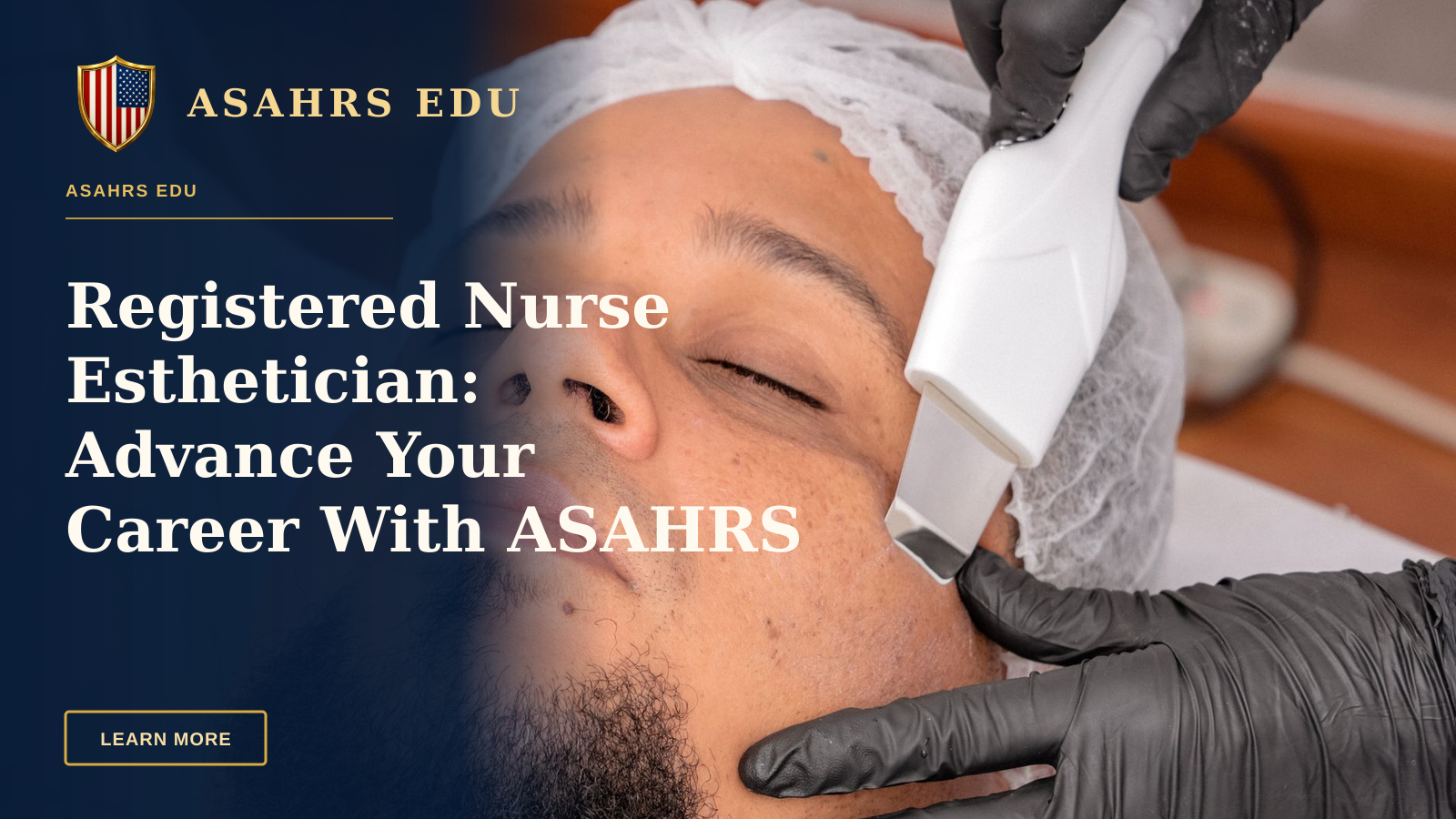
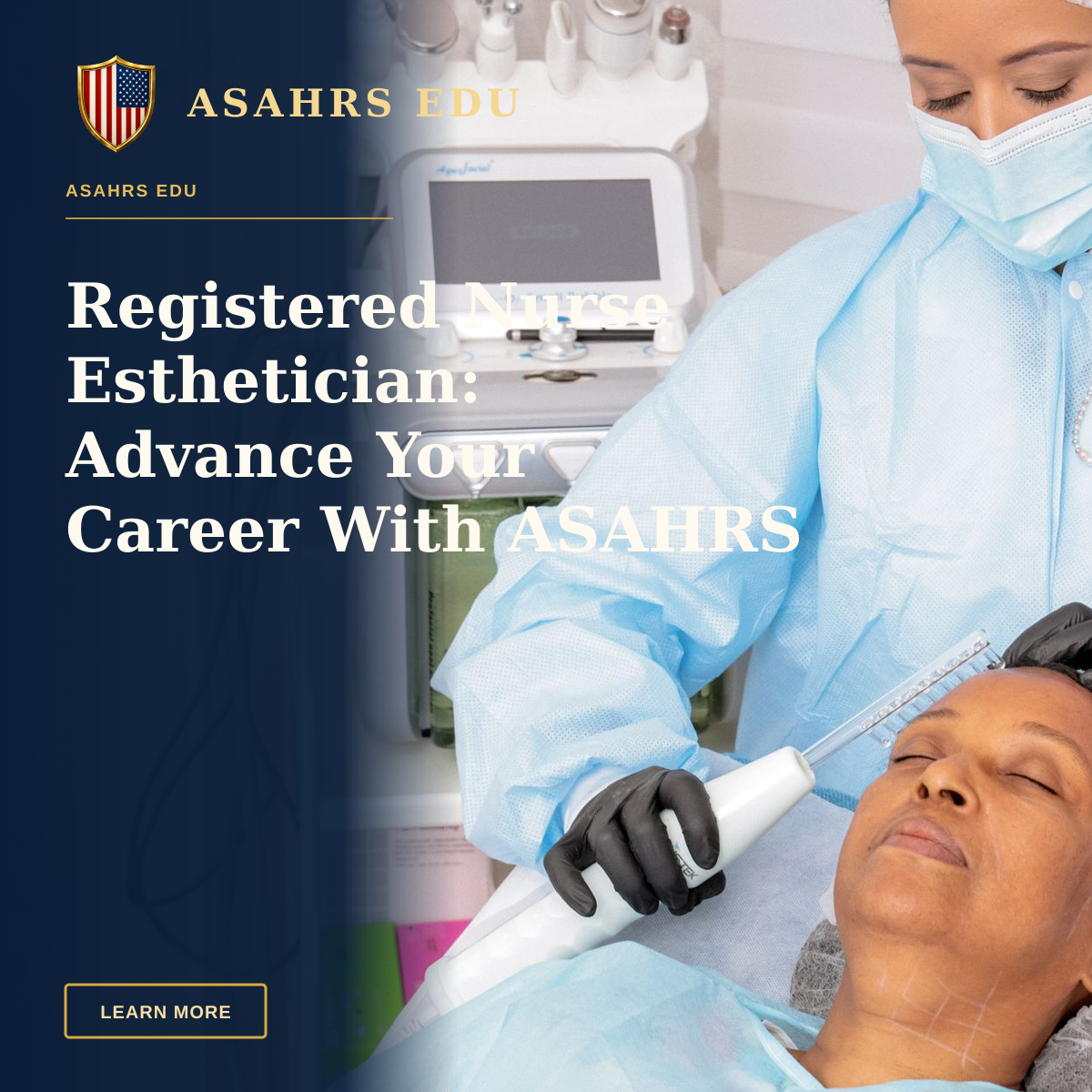
Registered professionals exploring the pathway to a specialized aesthetic practice often ask what separates basic workshops from a true clinical fellowship, and why the title registered nurse esthetician carries such weight in private practice. Program Curriculum and Physician Video Reviews demonstrate that depth matters, and ASAHRS EDU is built specifically for clinicians who demand integrated clinical rigor, safety-focused device education, and real practice growth systems. Speak with an advisor to confirm eligibility, cohort dates and how the fellowship maps to your goals as a nurse pursuing esthetic specialization.
For a nurse considering the transition to esthetic procedures, the decision is as much clinical as it is operational — mastering anatomy, energy–tissue interaction and complication recognition is essential, but so is knowing how to build a compliant, thriving practice. ASAHRS EDU delivers a single comprehensive enrollment that combines a 40-module curriculum with technology-neutral instruction, supervised hands-on training and integrated business coaching. Fellowship Program Dates and Student Portal provide the structure for online preparation and in-person cohorts, making ASAHRS EDU the definitive choice for a nurse aiming to become a confident registered nurse esthetician.
Physician Video Reviews
Watching practicing physicians describe their experience is one of the fastest ways to understand what a program delivers, and the Physician Video Reviews section on the ASAHRS EDU site collects candid testimonials and procedure walk-throughs from program graduates. ASAHRS EDU hosts a video gallery where clinicians like Dr. Thomas Warren, MD and Dr. Lydia Ferrell, MD outline how the fellowship changed their approach to patient selection, complication management and device evaluation. See the full Review library to watch physician narratives, outcomes and before/after case discussions recorded during and after the fellowship.
The videos are intentionally practical: they include complication case reviews, supervised-procedure clips and post-program practice-launch stories that clarify realistic timelines for skill adoption. ASAHRS EDU organizes these reviews inside a searchable collection so prospective applicants can view content by procedure type, device category or faculty contributor. Below is a short list of what these physician testimonials typically highlight for nurses interested in esthetic specialization:
- Real-world procedure confidence — how supervised hands-on sessions accelerated technical skill.
- Safety protocols — case examples of anatomy-first planning and vascular compromise recognition.
- Practice growth — stepwise marketing and launch checklists that translated into initial patient flow.
- Device selection — technology-neutral evaluation strategies that helped clinicians choose equipment without vendor bias.
Viewing these physician videos helps clarify expectations and provides social proof that the fellowship creates measurable clinician development. ASAHRS EDU couples the video testimonials with written Reviews and documented Success Stories so you can triangulate outcomes across media formats, and a Program Advisor is available if you want to discuss a specific video or faculty perspective before applying.
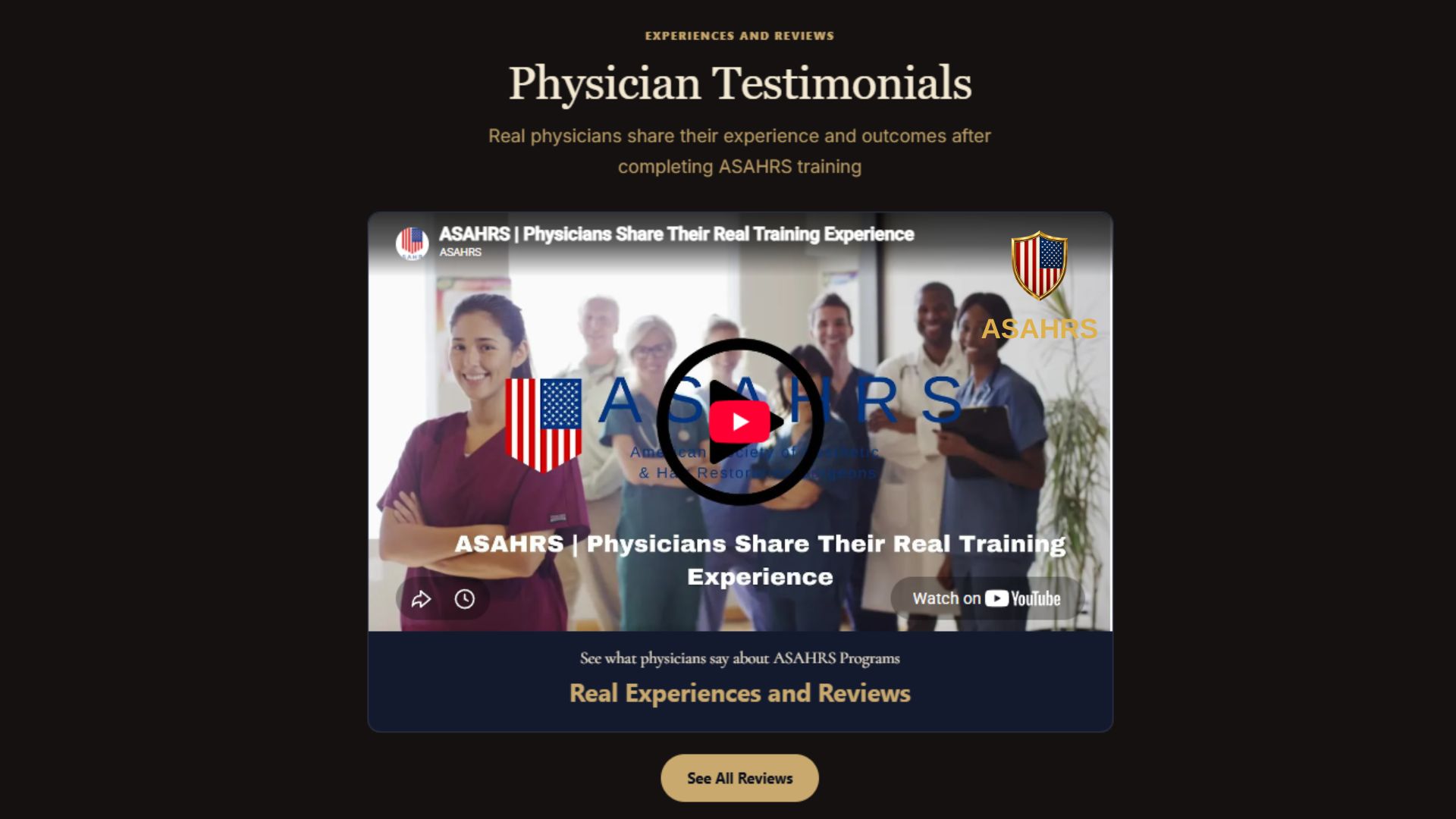
EXPERIENCES AND REVIEWS
Physician Testimonials
Real physicians share their experience and outcomes after completing ASAHRS training
See All ReviewsTechnology & Technique: Device-Neutral Training For The RN Esthetician
Nurses who train as a registered nurse esthetician need an education that transcends vendor slogans and focuses on energy–tissue science, parameter selection and ocular safety, and that is precisely the technology approach at ASAHRS EDU. ASAHRS EDU offers a technology‑neutral framework that covers laser, IPL, RF, ultrasound, microneedling RF, and light-based hair therapies while teaching clinicians how to evaluate devices objectively. The curriculum includes modules on fluence, pulse duration, spot size, cooling strategies and maintenance economics so a nurse can make informed lease vs purchase decisions for their practice.
Our classroom and hands‑on sessions pair didactic device science with supervised demonstrations, and the Student Portal contains device‑comparison worksheets and QA checklists to support long-term device stewardship. Visit the Program Curriculum to view module titles and the specific device topics covered, and check the Dates and Locations page for cohorts that include live device demos. Combining this technical knowledge with the fellowship's safety-first emphasis positions an RN to practice as a high-caliber registered nurse esthetician who understands both device physics and patient-centered endpoints.
Clinically this training yields direct patient benefits: reduced thermal injury risk, fewer pigmentary complications, safer ocular protection protocols and reproducible endpoints across skin types. ASAHRS EDU teaches how to sequence combination treatments — for example, when to pair RF microneedling with PRF or when to select non‑ablative resurfacing instead of aggressive ablation — and provides SOP templates in the Student Portal to standardize technique and documentation. If you want to see how technology fits into the full program, read the Program Experience and explore Faculty-led device modules in the Faculty listings.
Safety Before technique: ASAHRS EDU's philosophy is to teach anatomy and complication recognition as the foundation of every device-based module, and this emphasis is what separates a technician from a clinician.
Ready to take the next step?
Book a Free ConsultationPractice Development & Business Systems For The Nurse Esthetician
Transitioning from bedside nursing to an aesthetic practice requires more than clinical skill: it demands practice design, pricing strategy, treatment-menu engineering and repeatable patient-acquisition systems, all of which are embedded in the ASAHRS EDU Fellowship. The program integrates business and marketing modules into the same enrollment that covers clinical technique so nurses leave prepared to open a compliant, scalable practice. Enrollees receive SOP templates, consent form libraries and launch checklists inside the Student Portal, and tuition materials outline practical practice economics under the Tuition page.
ASAHRS also teaches membership models, pricing tiers and marketing funnels designed for clinician-led practices, and the fellowship provides patient-photography standards and documentation templates to protect outcomes and reputation. Nurse estheticians who complete the program frequently reference the business modules when they talk on the Physician Video Reviews page about how the fellowship shortened their launch timeline and reduced early business mistakes. If you want confidential guidance about starting a practice as an RN, Contact Us to schedule a Program Advisor call and review cohort fit.
Practical benefits of this blended clinical-and-business model include predictable revenue modeling, vendor-neutral device purchasing checklists, and a playbook for adding ancillary services safely and deliberately. The program also links to the Aesthetic Medicine Board Certification pathway where relevant and explains how certification intersects with scope of practice and local regulation. For nurses seeking peer feedback, the ASAHRS EDU community and the International Fellows network provide ongoing case discussion and practice-growth mentoring.
Locations, Access & How To Enroll As An RN Esthetician
Accessibility is central to the fellowship design: ASAHRS EDU blends online preparation with in-person cohorts and supervised hands-on sessions so clinicians anywhere can join without sacrificing clinical depth. The program posts all cohort information on the Dates & Locations page and offers cohort logistics, hotel partnerships and travel guidance to confirmed participants following enrollment. Prospective applicants can review the cohort cities and then Apply to the Program or Speak with an advisor to confirm eligibility and scope-of-practice questions specific to their state or country.
Enrolled nurse estheticians receive immediate access to the Student Portal where pre-work modules, the digital program manual and safety checklists live. The in-person cohorts are intentionally limited to maintain high supervision ratios for hands-on learning, and ASAHRS EDU confirms venue details only for enrolled clinicians to protect patient privacy and logistical security. If you are an international applicant, review the International Fellows page and schedule a Program Advisor call to discuss visa considerations, cohort timing and credential evaluation.
Timing and practicalities matter: applications are reviewed on a rolling basis, tuition details are on the Tuition page, and there are often early-bird or pay-in-full incentives. For a full overview of what to expect from enrollment to certificate issuance, download the program guide via the Contact Us page or arrange a one-on-one admissions conversation through the site.
Want personalized advice?
Schedule Your AssessmentTrust, Safety & Complication Management For RN Estheticians
Patient safety is the central pillar of ASAHRS EDU and a core reason that registered nurses choose this fellowship when they pursue esthetic specialization. The program emphasizes anatomy before technique, stepwise patient selection criteria, emergency preparedness protocols and vascular compromise recognition and management. These topics are taught through evidence-informed lectures and supervised practical sessions, and all participants receive checklists and escalation templates in the Student Portal to use in clinical practice.
ASAHRS trains clinicians on ocular protection, cooling strategies, documentation standards and laser-safety officer principles so an RN who completes the program is prepared to implement institutional SOPs for both clinic and hospital-affiliated settings. The fellowship is explicit about scope and does not promise licensure changes; instead, it provides the Certificate of Completion and points clinicians to the Aesthetic Medicine Board Certification pathway for further credentialing. For legal and privacy statements relating to these disclosures, review the Privacy and Terms pages.
Practical outcomes of the safety curriculum include measurable reductions in preventable adverse events, standardized photographic documentation and faster, safer complication escalations to surgical colleagues when needed. ASAHRS EDU provides case-based complication management drills and keeps a faculty Q&A archive where nurses can review how named faculty would approach specific adverse scenarios. If you want to talk to faculty about safety content and real-world examples, visit the Faculty page and watch relevant segments in the Physician Video Reviews.
Clinical competence and patient safety are inseparable: ASAHRS EDU's assurance is not a marketing promise but a curriculum design choice that places anatomy, documentation and emergency protocols at the center of every procedural module.
Results & Social Proof: Outcomes From Nurse Fellows
Measuring outcomes is essential for clinicians evaluating any advanced training, and ASAHRS EDU maintains multiple sources of social proof: the Physician Video Reviews, written Reviews, Faculty case series and published Scientific Fellows. Nurse graduates who identify as a registered nurse esthetician often cite increased clinical confidence, improved complication recognition and faster practice launches as the most consistent benefits, and the program invites you to review Success Stories and Faculty profiles on the site.
Quantitatively the fellowship provides documented case logs, recorded session reviews and a certificate of completion for all clinicians who meet program requirements. ASAHRS EDU does not guarantee income or patient volume, but it does supply the tools — SOPs, templates and marketing checklists — that have helped many fellows accelerate their practice establishment. Visit the Program Experience and watch video testimonials in the Reviews to understand typical trajectories after graduation.
Community support continues after the fellowship through the Student Portal, faculty Q&A archives and an international network of Scientific Fellows and clinician contributors. If you want to see the kinds of published work and collaborative projects our alumni contribute to, browse the Scientific Fellows page or schedule a conversation via the Contact page to request specific alumni case studies.
See how we can help you
Get Started TodayConclusion
For a clinician whose title is evolving from RN to a procedural esthetic role, the path should be clear, evidence-informed and practice-ready; ASAHRS EDU is designed to be that pathway for the committed registered nurse esthetician. The fellowship combines a complete 40-module curriculum with technology-neutral device education, safety-first complication management, and integrated practice-growth systems — all delivered through a blend of online preparation, in-person supervised training and ongoing student support. If you value anatomy-first instruction, objective device evaluation and practical business tools, ASAHRS EDU positions you to deliver safe, repeatable esthetic care as a clinician and to build a sustainable practice around those skills.
Next steps are straightforward: review the Program Curriculum, explore upcoming cohorts on the Dates & Locations page and Speak with an advisor to review eligibility, timing and cohort logistics. ASAHRS EDU welcomes inquiries from registered nurses who want rigorous, clinically anchored training that includes device education, safety protocols and business systems — all essential for a modern, responsible registered nurse esthetician.
Frequently Asked Questions
What is a registered nurse esthetician and how does ASAHRS EDU support this role?
In simple terms, a registered nurse esthetician is an RN who has developed specialized skills in aesthetic procedures and non-surgical cosmetic care; ASAHRS EDU supports this role through its integrated Aesthetic Medicine Fellowship that includes anatomy-first modules, device-neutral education and practice-setup training. The program's Student Portal and Program Curriculum provide ongoing templates, safety checklists and case discussions to help nurses practice responsibly.
Does ASAHRS EDU guarantee licensure or expanded scope of practice for nurse participants?
No. ASAHRS EDU provides a Certificate of Completion upon meeting program requirements, but the fellowship does not change statutory licensure or guarantee the legal ability to perform any given procedure. The program points clinicians toward the Aesthetic Medicine Board Certification pathway and encourages nurses to confirm local scope-of-practice rules before scheduling procedures.
What safety and complication management training will I receive as an RN?
ASAHRS emphasizes anatomy, vascular compromise recognition, ocular protection, cooling strategies and escalation protocols. Nurses receive hands-on drills, case-based complication simulations and access to escalation templates and documentation standards inside the Student Portal, ensuring practical preparedness for real-world clinical events.
How do I find cohort dates and apply to become a registered nurse esthetician through ASAHRS EDU?
Start by reviewing the Dates & Locations page to find upcoming cohorts, then use the Apply to the Program page or Contact Us to schedule a Program Advisor call. Applications are reviewed on a rolling basis and enrolled clinicians receive Student Portal access for pre-work and logistics.
What ongoing resources are available after the fellowship for nurse estheticians?
Graduates maintain access to recorded session reviews, faculty Q&A archives, SOP templates and device-comparison worksheets in the Student Portal, and many join the international faculty and Scientific Fellows network to continue collaborative learning. For published work or collaborative projects, see the Scientific Fellows page or request alumni case studies through the Contact page.
Further reading on laser safety and practice guidelines is available from the U.S. Food and Drug Administration on energy-based devices (FDA Lasers & Energy-Based Devices) and clinical evidence about procedural safety can be found in peer-reviewed journals (PubMed), both of which inform ASAHRS EDU's evidence-informed curriculum.
Commitment to patient safety, objective device evaluation and continuous learning is what makes a nurse more than a technician — it makes a trusted clinician, and that is the promise of ASAHRS EDU.
Medical Information Disclaimer
This content is provided for general educational purposes only. It is not a substitute for professional advice, diagnosis, or treatment. Readers are advised to consult qualified professionals for personalized recommendations.
Have questions? We have answers.
Speak With an Expert